Top Missing Teeth Solutions | Affordable & Effective Options for 2025
If you’re dealing with missing teeth, finding the right solution is crucial for restoring your smile and oral function. This article will guide you through various effective missing teeth solutions available in 2025, from dental implants to implant-supported dentures.
Key Takeaways
- Dental implants are the most effective solution for missing teeth, with high success rates and improved functionality and aesthetics.
- Fixed dental implant bridges and implant-supported dentures offer stable, long-lasting alternatives to traditional dentures, enhancing comfort and oral health.
- Choosing a qualified implant dentist is crucial, as their expertise and the materials used significantly impact the success of the dental implant procedure.
Dental Implants: The Gold Standard for Missing Teeth
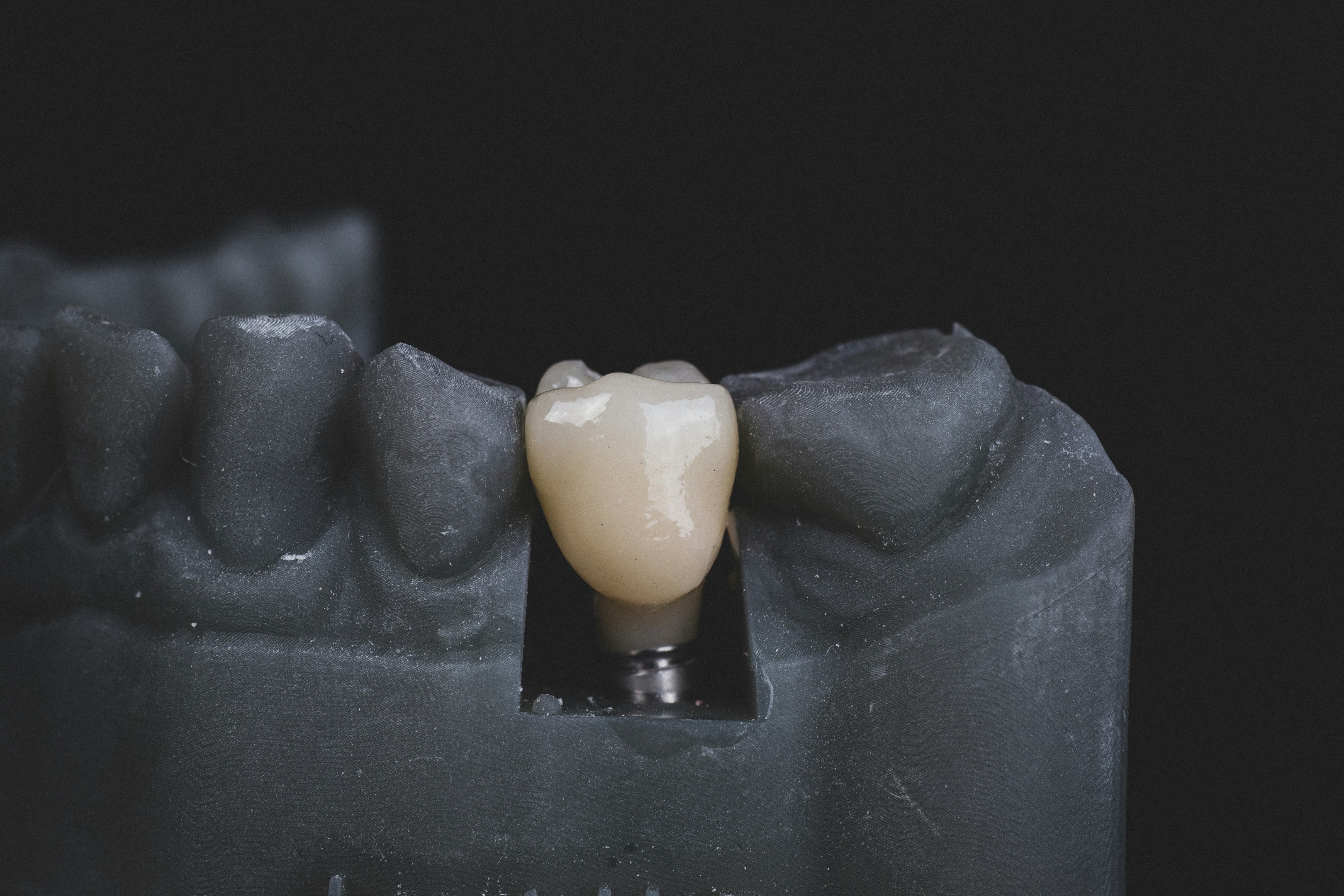
Dental implants are the premier choice for replacing missing teeth. These marvels of modern dentistry are designed to restore both the function and appearance of your smile. They offer a stable foundation for replacement teeth, enabling confident chewing and speech, while keeping adjacent teeth in place. With a success rate of up to 98%, dental implants are a highly reliable option for tooth replacement.
These implants blend seamlessly with natural teeth, making them virtually indistinguishable. They are primarily constructed from titanium, a material known for its biocompatibility and strength, ensuring a durable and long-lasting solution. They restore both function and aesthetics, allowing you to smile confidently again.
Single Tooth Implants
A single tooth implant provides a stable and permanent solution for those missing just one tooth. The procedure starts with a comprehensive exam and digital impressions, followed by a review of sedation options to ensure comfort. The dental implant procedure involves placing a titanium implant into the jawbone, serving as a replacement for the missing tooth root.
After the implant placement, it takes about 3 to 6 months for the osseointegration process to occur, allowing the implant to fuse with the jawbone. During this healing period, temporary solutions such as a denture or temporary bridge may be provided to maintain aesthetics and function.
Once the implant has fully integrated, impressions are taken to design and fabricate the new tooth crown, which is then securely attached to the implant. The result is a tooth that blends seamlessly with your natural teeth, providing a stable and permanent solution for tooth loss.
Consultations cover treatment plans and costs, with a Treatment Coordinator assisting with financing options to streamline the process.
Multiple Tooth Implants
Multiple tooth implants offer a solution when several teeth are missing. This procedure involves using titanium screws implanted into the jawbone to replace missing teeth. Custom-made crowns or bridges are then attached to these implants, completing the restoration and providing a natural-looking and functional solution.
Notably, the number of implants needed may not correspond directly to the number of missing teeth. The number of implants needed will depend on the bone quality and quantity at the intended placement site. This flexibility enables a customized approach to each patient’s dental needs, ensuring optimal results.
All-On-4 Dental Implants
The All-On-4 dental implant treatment is a revolutionary solution for patients with significant tooth loss or extensive damage. This technique allows for a complete arch replacement with only four strategically placed implants. The All-On-4 method is less invasive than traditional dental implants, making it a more comfortable option for many patients.
Using just four dental implants, this treatment provides a stable and permanent solution for those with severe tooth loss. It restores full functionality and aesthetics, significantly improving the patient’s quality of life.
With All-On-4 implants, you can enjoy a complete smile makeover and a renewed sense of confidence.
Fixed Dental Implant Bridges

Fixed dental implant bridges effectively restore several missing teeth. They offer a natural-looking and functioning replacement, allowing you to smile confidently, speak clearly, and enjoy your favorite foods without any issues.
Dental implants provide better stability and longevity compared to conventional dental bridges, making them a more reliable and permanent solution.
Benefits of Fixed Dental Implant Bridges
A key benefit of fixed dental implant bridges is their stability and longevity. Unlike conventional dental bridges, they do not require the removal of tooth structure to place crowns onto existing natural teeth. This means that the integrity of your natural teeth is preserved, resulting in a healthier overall mouth.
Additionally, fixed dental implant bridges cannot be distinguished from natural teeth in appearance, providing a seamless and aesthetically pleasing result. They also improve oral health by preventing the shifting of adjacent teeth and maintaining the structure of the jawbone, which can deteriorate over time if missing teeth are not replaced.
Procedure for Fixed Dental Implant Bridges
Obtaining a fixed dental implant bridge starts with a detailed consultation and examination. The initial evaluation covers your medical and dental history, and examines your teeth, gums, jawbone, and facial structure. Treatment planning involves assessing the number of implants needed, the condition of the jawbone, and any additional procedures that may be required.
Local anesthesia or sedation is used during a surgical procedure for patient comfort. Once the treatment plan is accepted, the patient undergoes implant surgery, which may involve implant placement, tooth removal, or bone grafting.
A 3D CT scan assesses the bone volume in the area for implant placement.
Implant Supported Dentures
Compared to traditional dentures, implant retained dentures offer a more stable and comfortable fit. These dentures are anchored to dental implants in the jawbone, offering better fit and comfort.
They are available in two types: fixed and removable, each with unique benefits based on patient needs.
Types of Implant Supported Dentures
Bar-retained overdentures use a metal bar along the jawline to provide stable attachment for the denture. This type offers a removable yet secure and easy-to-clean option.
On the other hand, ball-retained overdentures feature ball-shaped implants that fit into sockets, offering a secure yet removable solution.
Both types offer more stability and comfort than traditional dentures, allowing for confident eating, speaking, and smiling. These options cater to different preferences and needs, allowing for a customized approach to teeth replacement.
Advantages Over Traditional Dentures
A major advantage of implant-supported dentures over traditional ones is their secure fit. They eliminate the common movement issues of traditional dentures, making them a more reliable choice for functionality and comfort. Implant-supported dentures also reduce the risk of jawbone loss, a common issue with traditional dentures.
These dentures also cause less gum and cheek irritation compared to traditional options. They allow for better chewing capabilities, making it easier to consume a wider variety of foods and enjoy a more varied diet.
Bone Grafting for Dental Implants
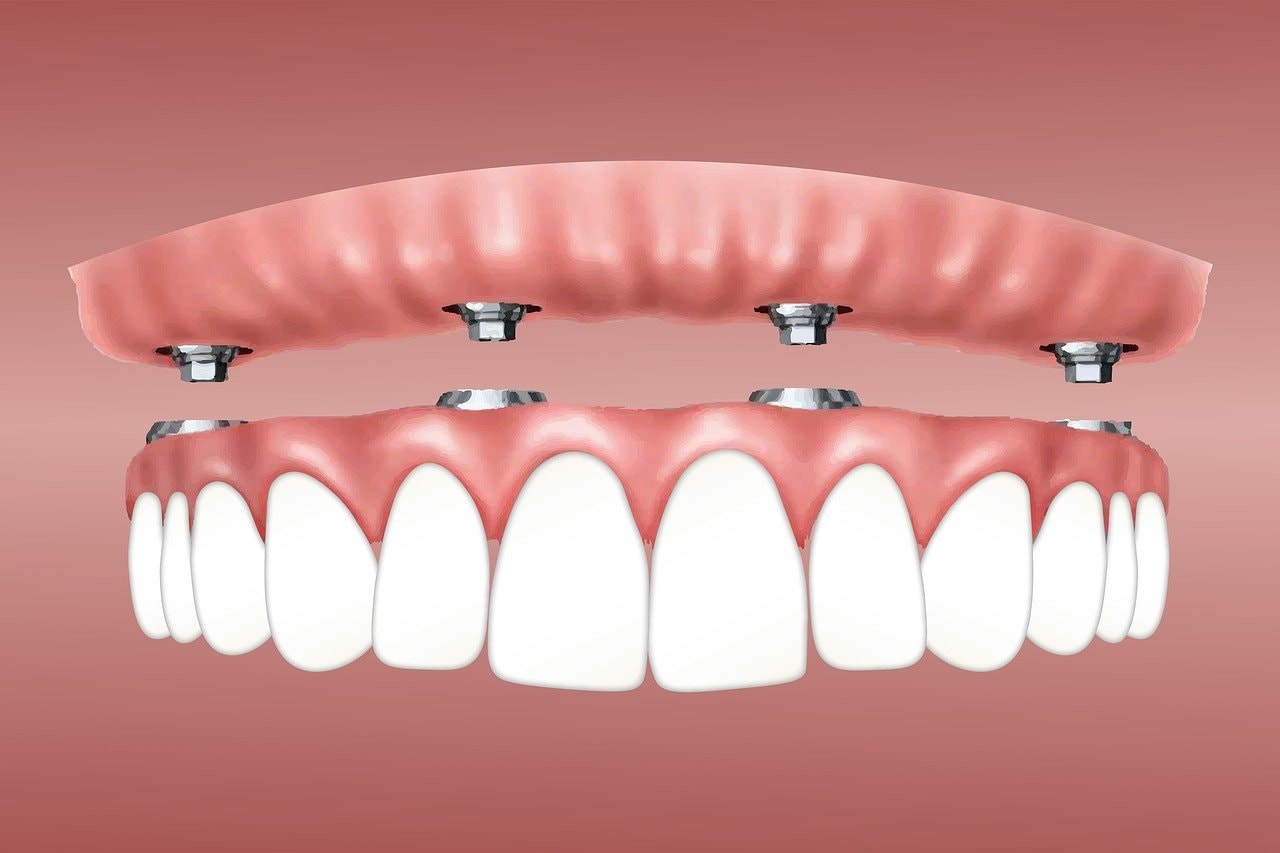
Patients who lack sufficient jawbone density for dental implants often require bone grafting. The procedure transplants bone tissue to aid healing and regrowth, providing a solid foundation for implants.
Successful bone grafting contributes to the longevity and effectiveness of dental implants.
What is Bone Grafting?
Bone grafting enhances jaw bone density, crucial for supporting dental implants. It transplants bone tissue sourced from the patient, a donor, or synthetic materials. This process helps in preserving both soft and hard tissue around the implant site, contributing to the stability of the implants.
Successful bone grafting provides a solid foundation for long-lasting and effective dental implants. Recovery from a dental bone graft usually takes about a week, but complete healing can require three to twelve months depending on the graft’s size.
Types of Bone Grafts
Bone grafts can be classified based on their source. They can be sourced from another area of the patient’s body, known as autografts, or provided as synthetic substitutes. The choice of bone graft depends on the extent of bone loss and the specific needs of the patient.
Each type has its advantages, and the dentist will determine the best option based on individual circumstances.
Immediate Load Dental Implants
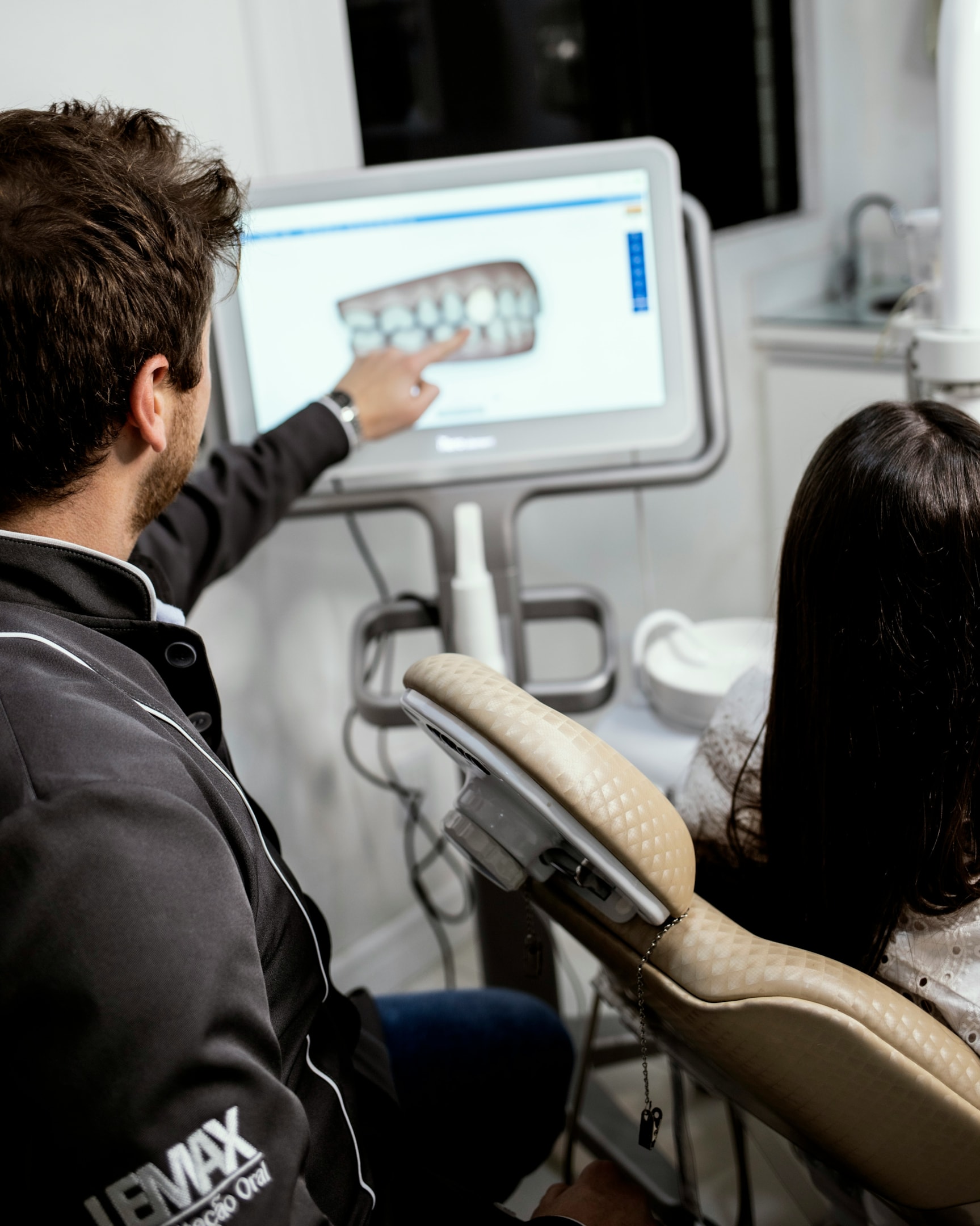
Immediate load dental implants, or same-day implants, allow for prosthetic crown placement on the same day as implant insertion. This approach offers a faster restoration of function and aesthetics, giving patients a complete set of teeth in one visit.
Benefits of Immediate Load Dental Implants
The main benefit of immediate load implants is the rapid restoration of function and aesthetics. Patients can receive their dental restoration in a single visit, avoiding the long healing periods associated with traditional implants.
This convenience makes them an attractive option for those seeking immediate results.
Who is a Candidate?
Adults missing teeth due to injury, disease, or decay may be good candidates for dental implants. These circumstances make implants a viable option for tooth replacement. To qualify, patients need healthy gum tissue and appropriate jawbone mass. Conditions like diabetes, osteoporosis, and smoking can affect eligibility, necessitating a thorough medical and oral health assessment.
Factors Affecting Dental Implant Success
The success of dental implants can be influenced by overall health, implant placement location, and the dental provider’s expertise. Risks include smoking, periodontal disease, diabetes, and osteoporosis, all of which can negatively impact success rates.
Therefore, it is crucial to choose experienced implant dentists and maintain good oral hygiene.
Importance of Oral Hygiene
Good oral hygiene is crucial for the long-term success of dental implants. Practices like regular brushing, flossing, and routine dentist visits help prevent infections that could compromise implant stability. The healing process after implant placement is vital for ensuring the long-term stability of the dental bridge.
Patients should be diligent about their oral hygiene routines to protect their investment in dental implants. Temporary teeth can be provided during the healing phase to maintain aesthetics until the permanent bridge is placed. Keeping these temporary solutions clean and debris-free is also crucial to prevent complications.
Impact of Smoking and Medical Conditions
Smoking and medical conditions like diabetes and heart disease can significantly impact the success rate of dental implants. Smoking, in particular, can impair the body’s healing process, increasing the risk of implant failure.
Thus, managing these factors and maintaining a healthy lifestyle are crucial for the longevity of dental implants.
Cost of Dental Implants and Financing Options
The cost of dental implants varies widely depending on factors like the type and number of implants required and any additional procedures. Although dental implants are a significant investment, they offer a long-term solution that can save money by reducing future dental work.
The dental team will discuss costs and financing options during the consultation to make treatment more accessible.
Average Costs in Perth
In Perth, the cost of dental implants in perth can start at around $6,500 for a single-tooth implant. For a full arch of All-On-4 dental implants, the price typically ranges from $19,000 AUD. These costs can vary based on the specific needs and conditions of the patient, as well as the expertise of the implant dentist. Additionally, dental implants perth are an option worth considering for those looking to restore their smile at the perth dental implant centre.
Financing and Payment Plans
Many dental clinics provide various financing options to help manage the costs of dental implants. Payment plans enable patients to spread the cost over several months, making treatment more affordable. Additionally, patients may be able to use their superannuation funds to help cover the costs of dental treatments, subject to approval.
Certain dental clinics offer in-house financing options, providing more flexibility for patients. Discussing these options with the dental team during consultation can help determine the best financing method for the dental implant procedure.
Choosing the Right Implant Dentist
Choosing the right implant dentist is crucial for the success of high quality dental implants. The quality of materials and the expertise of the dental professional significantly influence the outcome.
Thus, choosing a dentist trained in implant dentistry with a proven track record is essential.
Qualifications and Experience
When choosing an implant dentist, look for qualifications and experience in dental implantology. For example, Dr. Stephen Chan has completed numerous training programs in Dental Implantology, including the gIDE Dental Master Clinician program through Loma Linda University.
Such credentials ensure that the dentist has the necessary skills and knowledge to perform successful implant procedures.
Patient Reviews and Testimonials
Patient reviews and testimonials are invaluable when selecting an implant dentist. Many patients express that their dental implant experience has been comfortable and life-changing, often giving high praise and recommending the services. These reviews can provide insight into the quality of care and the overall patient experience.
Testimonials help guide prospective patients in choosing a reliable and effective dental implant provider. The high level of service and professional care described by patients can help build trust and confidence in the chosen dental clinic.
Want to find out more?
If you’re considering dental implants and want to learn more, engaging with a dentist to explore various options tailored to your specific needs is essential. Dental implants can transform the appearance and health of your smile, offering a long-lasting solution for missing teeth.
Maintaining good oral hygiene practices is crucial for the success and longevity of dental implants.
Summary
In summary, dental implants offer a reliable and effective solution for replacing missing teeth. From single tooth implants to All-On-4 treatments, there are various options to suit individual needs and conditions. By choosing a qualified implant dentist and maintaining good oral hygiene, you can ensure the long-term success of your dental implants. Embrace the opportunity to restore your smile and enjoy the confidence and functionality that dental implants provide.
Frequently Asked Questions
What are the benefits of dental implants over traditional dentures?
Dental implants offer a more secure fit and improved chewing efficiency while significantly reducing the risk of jawbone loss compared to traditional dentures. This makes them a superior long-term solution for tooth replacement.
How long does the dental implant procedure take?
The dental implant procedure can take several months, typically including a healing period of 3 to 6 months for the implant to fuse with the jawbone. Therefore, patience is key in achieving a successful outcome.
Are dental implants a permanent solution for missing teeth?
Dental implants are indeed a permanent solution for missing teeth, offering stability and durability that can last for many years.
What factors can affect the success of dental implants?
The success of dental implants is influenced by factors like overall health, smoking habits, medical conditions (such as diabetes), and the maintenance of good oral hygiene. Addressing these aspects can significantly enhance the likelihood of a successful outcome.
How much do dental implants cost in Perth?
Dental implants in Perth typically start at approximately $6,500 for a single tooth, and the cost for a full arch of All-On-4 implants can reach about $19,000 AUD.
Want to know more?
Speak to our experienced implant dentist and practice owner, Dr Stephen Chan. Call us on 6143 5655 or book online here.