5 ways you can improve your Oral Microbiome
What is the Oral Microbiome?
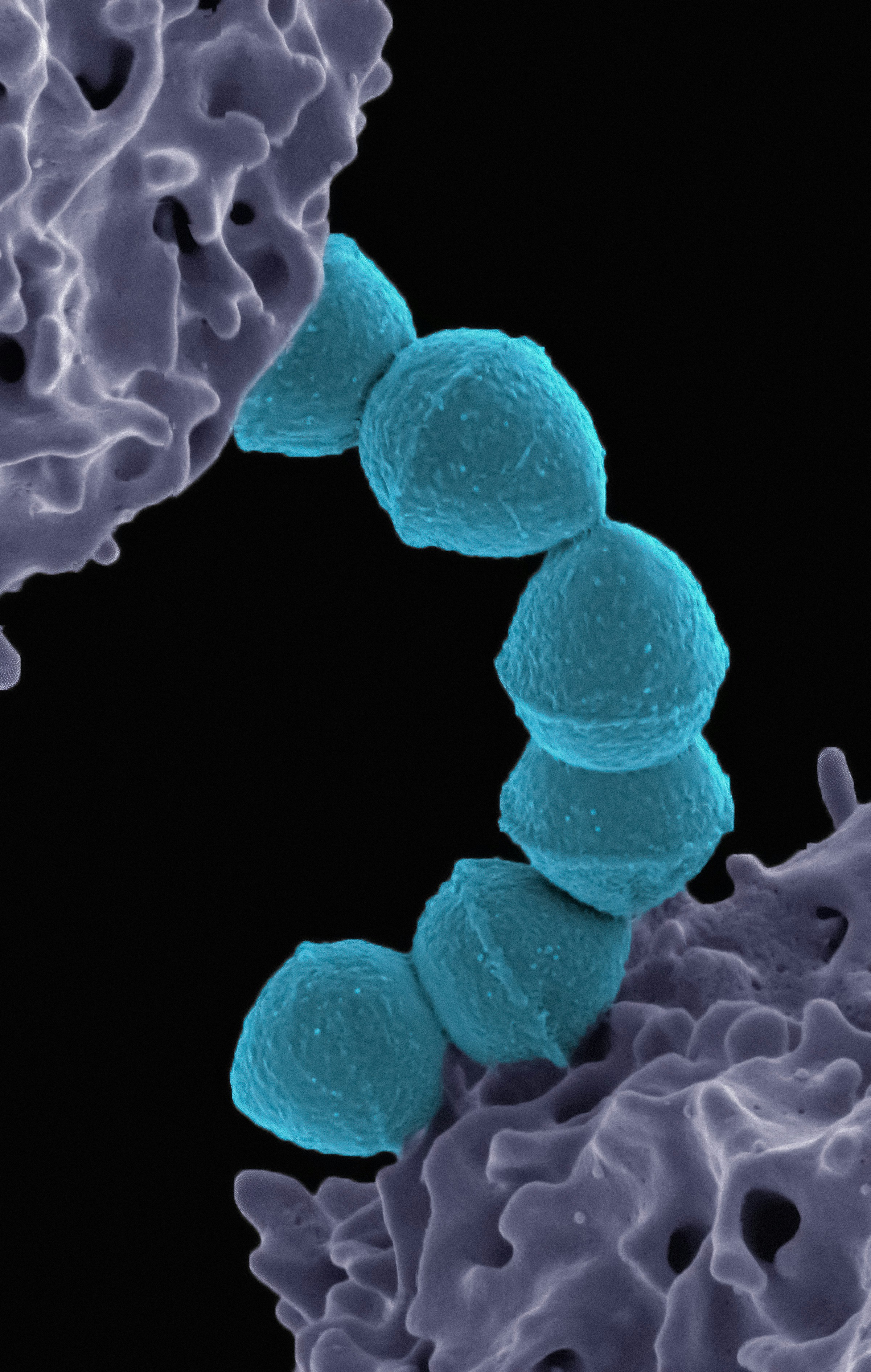
The oral microbiome describes the collection of micro-organisms, including oral bacteria (both good and bad), fungi, viruses and protozoa that live in the human oral cavity. The mouth is a complex environment, with many place for micro-organisms to colonise, including the mucosa, gums, teeth, tongue, plaque, tartar build-up, throat and floor of mouth.
Why is it important to have a healthy Oral Microbiome?
When you have an unhealthy oral microbiome, also known as oral dysbiosis, there is an imbalance or disruption to the oral microbes in the mouth. An imbalance could be caused by medications, poor oral hygiene, dietary changes or diseases. It can cause other problems in the body such as tooth decay, periodontal disease, systemic diseases, auto-immune diseases, diabetes, cardiovascular disease and cancers. When there are more oral pathogens in your oral cavity, you may be prone to more oral infections, oral diseases and opportunistic infections.
There is also direct communication between your oral microbiome and your gut microbiome. Changes to the oral microbiome have shown to be evident in those suffering from obesity and inflammatory bowel disease. Having a balanced oral microbiome can therefore assist in maintaining good oral and systemic health.
How do you know if your Oral Microbiome is imbalanced?
If you suffer from health problems including diabetes, cardiovascular disease, cancers, chronic periodontitis and tooth decay, you could benefit from having your Oral Microbiome checked. This could help to identify an imbalance or oral dysbiosis. Dentists or oral healthcare professionals would be great people to discuss your concerns regarding your oral microbiome.
How can you improve the health of your Oral Microbiome?
Improve oral hygiene
This helps to regulate the amount of oral microbiota in the oral cavity. Regular tooth-brushing for 2 minutes for a minimum of twice a day and flossing/interdental cleaning once daily will help to control the amount of pathogenic (or bad) bacteria in your dental plaque biofilm through mechanical means. These methods are the most effective at removing bacteria in the mouth. Poor oral hygiene allows pathogenic microorganisms to proliferate, contributing to increasing your risk of oral disease including periodontal disease, tooth decay and oral cancer.
Regular dental checkups and cleaning
Professional cleaning by your Oral Health Therapist, Hygienist or Dentist helps to remove bacteria in locations you can’t adequately get to. This might be due to the formation of tartar build up (which can only be removed by a professional), or the ability to get to harder-to reach spots you could be missing. It helps to remove a great deal of the bacterial load or pathogenic bacteria.
If you suffer from gum disease, you will need specific treatment to treat your chronic periodontitis. Periodontal disease requires tailored and specific treatment which is often carried out by a Periodontitist (gum disease specialist). It will be even more important for people with gum disease to ensure they have a balanced oral microbiome because we know that gum disease is caused by a proliferation of specific bacteria which causes inflammation in the gum and bone supporting the teeth.
Quit smoking
The toxic chemicals in cigarette smoke can cause an imbalance as the beneficial bacteria are removed, allowing the pathogenic (or bad) bacteria to proliferate. It is also best to avoid vaping in order to maintain a healthy oral microbiome, as the chemicals in vapes also have a toxic effect on the oral cavity which can contribute to oral dysbiosis.
Reduce sugar intake
A high sugar intake results in the creation of acids in the mouth, which can have a negative affect on beneficial bacteria in the oral microbiome. It can also increase your risk of tooth decay, tooth sensitivity and dental erosion.
Probiotics
Probiotics can be used to help modulate the composition of bacteria in the mouth. They can also increase salivary flow, counteract acids in the mouth and activate the immune system. This helps to reduce the incidence of tooth decay. You can find out more about how you can introduce probiotics into your diet and which probiotics are best in this blog post.
Want to know more?
Do you have more questions about your oral microbiome, and how it can be at its best? Speak to our Claremont dentists, who can check the health of your mouth and teeth. Book an appointment online here.
Resources used:
- Progress in Oral Microbiome Related to Oral and Systemic Diseases: An Update: https://www.mdpi.com/2075-4418/11/7/1283
- The role of the oral microbiome in obesity and metabolic disease: potential systemic implications and effects on taste perception: https://www.ncbi.nlm.nih.gov/pmc/articles/PMC10223863/
- Novel Strategies for Preventing Dysbiosis in the Oral Cavity: https://www.imrpress.com/journal/FBE/15/4/10.31083/j.fbe1504023/htm#S4