Achieve a Confident Smile with Effective Teeth Straightening Solutions
Misaligned teeth: teeth straightening options
Having misaligned teeth can cause problems such as lack of confidence and embarrassment when speaking and smiling. Those who are embarrassed about their smiles often don’t smile as much, don’t smile showing teeth and may be more withdrawn in social settings.
Nowadays, there are many options to fix misaligned teeth, so everyone should be able to access treatment if they so desire. Achieving a new smile through these treatments can significantly boost confidence and improve social interactions.
Understanding Misaligned Teeth
Misaligned teeth, also known as crooked teeth, can affect not only the appearance of your smile but also your overall oral health. When teeth are not properly aligned, it can lead to issues such as overcrowding, uneven wear, and difficulty cleaning between teeth. These problems can increase the risk of tooth decay, gum disease, and even tooth loss. Invisalign treatment is a popular solution for straightening teeth and achieving a healthier, more confident smile. By gently moving teeth into their proper positions, Invisalign aligners can help improve both the function and aesthetics of your teeth.
Types of Misaligned Teeth
There are several types of misaligned teeth, each presenting unique challenges:
- Overcrowding: This occurs when there is not enough space in the jaw for all the teeth to fit properly, leading to overlapping or crooked teeth. Overcrowded teeth can be difficult to clean, increasing the risk of dental issues.
- Gaps: Spaces between teeth, often due to missing teeth or teeth that are too small, can be a cosmetic concern and can also trap food particles, leading to decay.
- Crossbites: When the upper and lower teeth do not align properly, causing the upper teeth to bite inside the lower teeth. This misalignment can cause wear and tear on the teeth and jaw.
- Overbites: When the upper teeth overlap the lower teeth, often causing the lower teeth to bite into the roof of the mouth. Overbites can lead to gum irritation and wear on the lower teeth.
- Underbites: When the lower teeth overlap the upper teeth, often causing the upper teeth to bite into the lower teeth. Underbites can affect chewing and speaking and may lead to jaw pain.
Understanding the type of misalignment you have is the first step towards finding the right treatment to achieve a straight smile.
Crooked teeth
Crooked teeth occurs when there is insufficient space for all the teeth to grow in a straight fashion. There is usually a discrepancy in jaw size when compared to tooth widths. As a result, teeth tend to be overlapped. This not only causes a cosmetic concern, but it also can predispose the individual to dental diseases such as tooth decay and gum disease. This is because the overlapped nature of the teeth makes it more difficult to clean all surfaces of the teeth. It is much easier to maintain a high standard of oral hygiene if teeth are straight and well-aligned. Additionally, straight teeth not only enhance your smile aesthetically but also boost confidence and make oral care simpler.
Gapped teeth
Gapped teeth can be a cosmetic concern for those involved as they may find the gaps unsightly. Gaps can also result in food packing and getting stuck. This can increase the risk of tooth decay occurring between teeth because bacteria will be attracted to the area.
Crossbites
A crossbite occurs when the teeth meet in the opposite way to the norm. This can be unsightly, but also cause the affected teeth to wear down and appear shorter.
Underbites
Underbites are usually caused by a discrepancy in the size of the upper and lower jaws relative to each other. It can cause difficulties in biting into certain foods as the teeth may not meet properly. They can also cause an irregular facial profile that may be considered unaesthetic.
Open bites
Open bites are caused when the upper and lower front teeth do not meet. This can be caused by a thumb sucking or pacifier sucking habit when in children, or a jaw size discrepancy in adults.
Teeth straightening options
Invisalign clear aligners
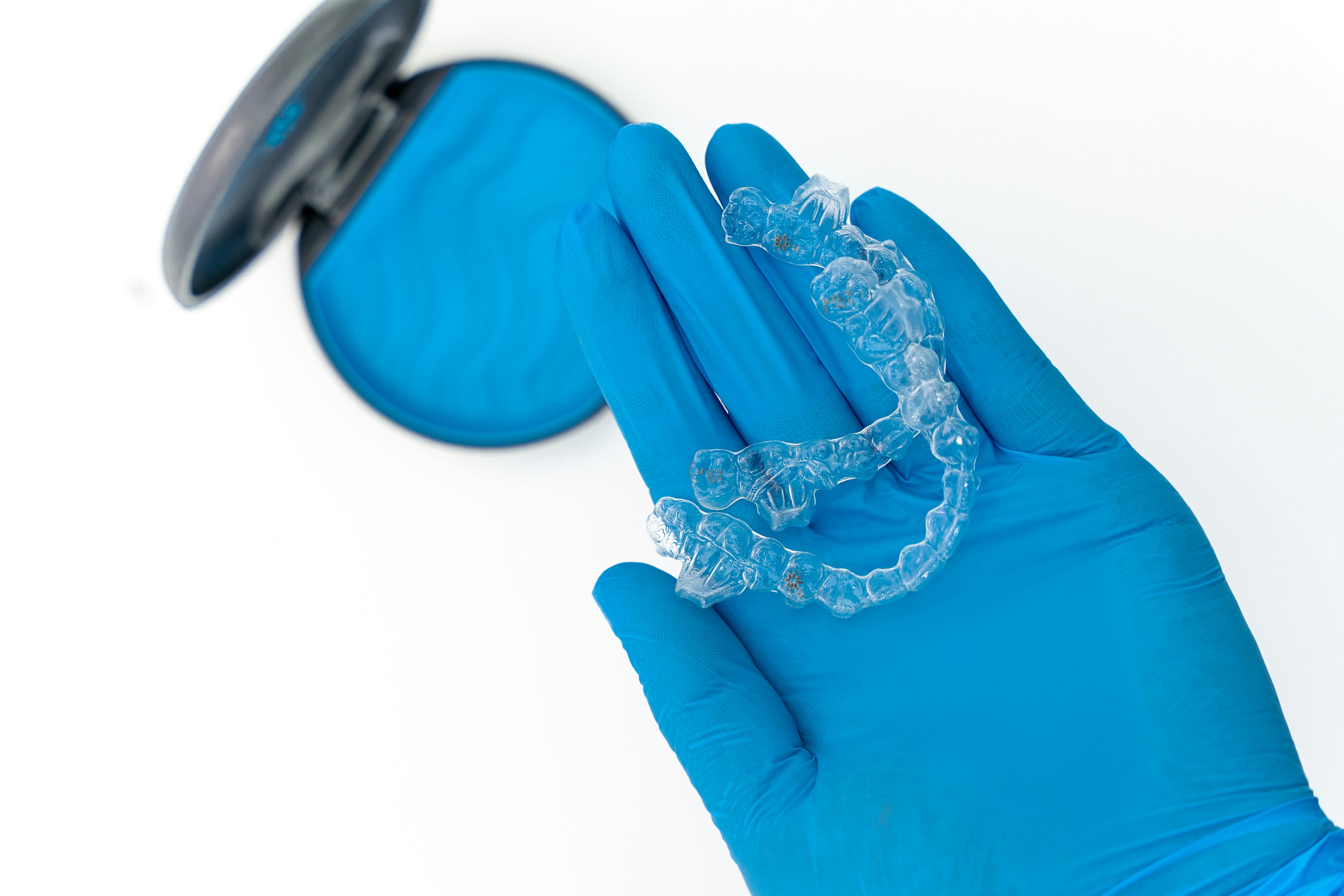
Invisalign clear aligners are sequential plastic aligners that are worn for 1-2 weeks at a time and gradually and gently move teeth into more ideal alignment. They are a very popular option for correcting common cosmetic dental concerns such as crooked teeth, gapped teeth, overbites, and underbites, while also helping achieve straighter teeth for a straight and balanced smile.
A dental clinic plays a crucial role in providing Invisalign treatments, ensuring a comfortable and patient-focused environment with advanced technology and expertise.
Traditional metal braces
Braces are metal wires and brackets which exert forces on teeth to straighten them. Traditional metal braces are usually placed by orthodontists, but some general dentists have done extra study and place them also. Metal braces are good for those who may not be compliant with the removable nature of clear aligners.
Metal braces can be slightly more uncomfortable and can take some time to get used to. The metal brackets are usually silver, but a ceramic option is also available that is less visible. It is easy for food to get stuck in the braces as they are permanently fixed on the teeth. Wires can sometimes come out and poke into the mouth.

Dental veneers
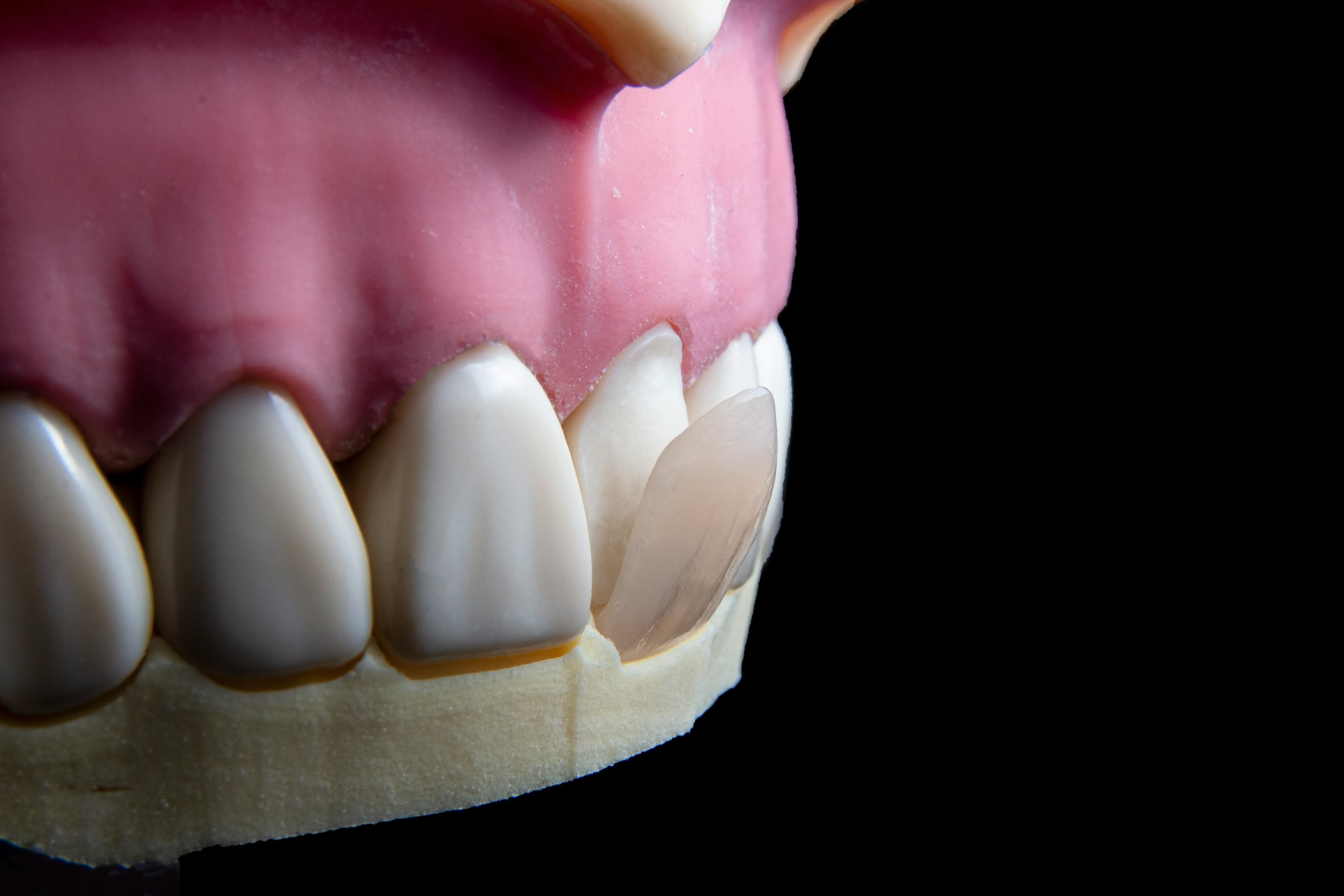
Dental veneers are thin shells that are placed over the front outer surfaces of teeth. They aim to improve common cosmetic concerns including gapped teeth, discoloured teeth, misshapen teeth and crooked teeth. They can be made from composite resin (known as composite bondings or composite veneers), porcelain (known as porcelain veneers) or 3D printed hybrid ceramic material.
Veneers can recreate the look and feel of natural teeth, providing aesthetic benefits and enhancing the overall smile appearance.
The cost of teeth straightening treatments
Invisalign clear aligners
Invisalign clear aligners range in cost dependent on the complexity of the treatment and treatment time. It’s best to have a consultation with an accredited Invisalign provider to get a better understanding of the cost. Cost usually ranges from $6500-$8500, but can be more if you see a specialist Orthodontist.
Traditional braces
Traditional metal braces usually cost from $8000-$10000, but cost will vary according to treatment complexity, whether jaw surgery is needed and the experience of the provider.
Dental veneers
Composite veneers are a cheaper option if porcelain veneers are too costly. They generally start at $350 for one tooth. It’s rare to just have one or even two teeth treated as you may get an inferior cosmetic result. Most people have 6 or more teeth treated with composite veneers.
Porcelain veneers are the more expensive option for dental veneers. Cost starts from $1300 per tooth as each veneer is custom made by a qualified dental technician at a dental laboratory.
Other Teeth Straightening Options
While Invisalign treatment is a popular choice for straightening teeth, there are other options available, including:
- Traditional metal braces: These are the most common type of orthodontic treatment, using metal brackets and wires to straighten teeth. They are highly effective for complex cases but can be more noticeable and require regular adjustments.
- Ceramic braces: Similar to traditional metal braces, ceramic braces use clear or tooth-colored brackets that are less noticeable. They offer a more aesthetic option while still providing effective teeth alignment.
- Lingual braces: These braces are attached to the back of the teeth, making them invisible from the front. They offer a discreet option but can be more challenging to clean and adjust.
- Clear aligners: Similar to Invisalign aligners, other clear aligners are available but may not be as effective for complex cases. They offer a virtually invisible way to straighten teeth and can be removed for eating and cleaning.
Each of these options has its own set of advantages and considerations, and the best choice will depend on your specific dental needs and lifestyle.

The Treatment Process
The Invisalign treatment process typically begins with a consultation with an Invisalign doctor, who will assess your teeth and determine if Invisalign is right for you. If you are a good candidate, the doctor will create a customized treatment plan, including a series of clear aligners designed to gently move your teeth into place. You will wear each aligner for 1-2 weeks, removing them only to eat, brush, and floss. Regular check-ups with your Invisalign doctor will ensure that your treatment is progressing as planned. This personalized approach helps ensure that you achieve the best possible results in the shortest amount of time.
Results and Maintenance
The results of Invisalign treatment can be long-lasting, but it’s essential to maintain your new smile with proper care. This includes:
- Wearing a retainer: A custom-made retainer will be provided to wear at night to keep your teeth in place. This helps prevent your teeth from shifting back to their original positions.
- Practicing good oral hygiene: Brushing and flossing regularly will help prevent tooth decay and gum disease, ensuring your teeth remain healthy and straight.
- Avoiding hard or sticky foods: These can damage your teeth or aligners, so it’s best to avoid them during and after treatment.
- Scheduling regular check-ups: Regular visits to your Invisalign doctor will ensure that your teeth remain straight and healthy. These check-ups allow your doctor to monitor your progress and address any issues that may arise.
By following these tips, you can enjoy a straight, healthy smile for years to come.
Want to find out more about teeth straightening treatments?
The experienced cosmetic dentists at our Claremont dental centre can talk to you about your options for teeth straightening. You can book an obligation-free consultation at a convenient time using our online booking portal here. Or simply speak to our Claremont dental team by calling us on 6143 5655 today.