Dental Implants: The Best Solution for Missing Teeth Replacement
What are dental implants?
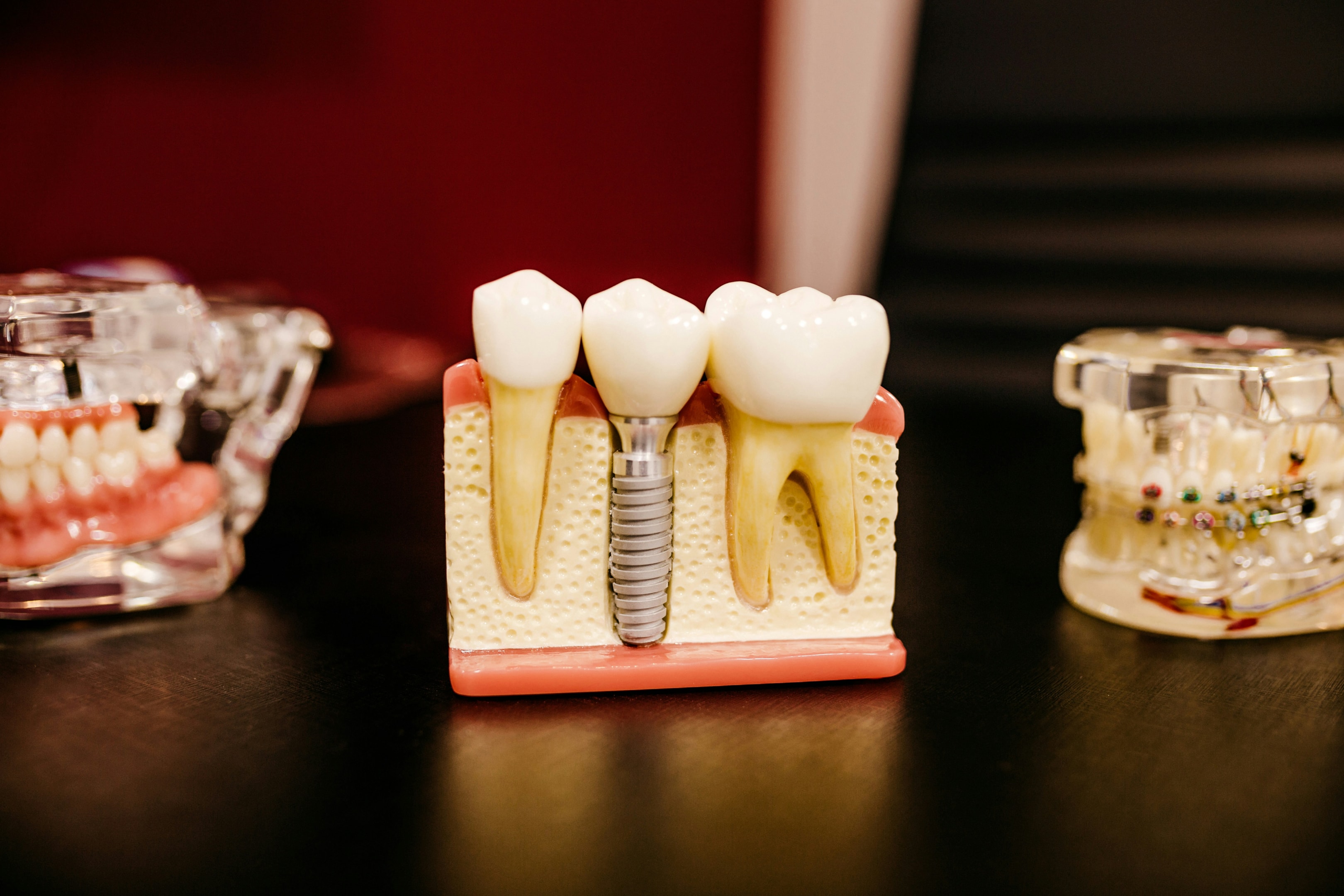
Dental implants are replacements that replicate natural teeth. They consist of three components, the screw (usually made of titanium) which integrates to the jaw bone and mimics a tooth root, the abutment, which connects the screw and the crown, and the crown, which simulates a natural tooth. The dental implant procedure involves an initial consultation, surgical placement of the implants, and follow-up care to ensure proper integration and functionality.
Dental implants have been a highly successful treatment for those with one or more missing teeth.
Introduction to Dental Implants
Dental implants are a popular and effective solution for restoring missing teeth and improving oral health. A dental implant is a titanium screw that is surgically inserted into the jawbone to serve as a tooth root for dental prosthetics. This implant is designed to mimic the natural structure of a tooth, providing a stable and long-lasting foundation for artificial teeth. With proper care and maintenance, dental implants can last for many years, restoring confidence and functionality to a person’s smile. Whether you have lost a single tooth or multiple teeth, dental implants offer a reliable and aesthetically pleasing option to regain your natural smile.
Causes and Effects of Tooth Loss
Tooth loss can occur due to various reasons, including tooth decay, gum disease, dental injury, or genetics. The consequences of tooth loss can be significant, affecting not only a person’s oral health but also their overall well-being. Missing teeth can lead to difficulties with chewing and speaking, as well as a loss of self-confidence. Furthermore, tooth loss can cause the jawbone to shrink, resulting in a prematurely aged facial appearance. Dental implants can help to restore the natural appearance and function of a person’s smile, improving their overall quality of life. By addressing missing teeth with dental implants, you can prevent further oral health issues and maintain a youthful, vibrant appearance.
Suitable candidates for dental implants for missing teeth
There is no age limit for dental implants, but the overall health of the patient, including any health conditions and medication they take, may affect the suitability of dental implants.
Dental implants are not recommended for children under the age of 18, or those who are still actively growing, because the jaw bone is still subject to change. It is best to wait until growth ceases before placing a dental implant.
In some cases, bone grafting may be necessary if there is insufficient bone density to support the dental implant.
Those who are medically compromised, smokers, or suffering from osteoporosis may not be able to have dental implants. It is best to discuss any concerns you may have regarding your health with your GP.
Benefits of dental implants
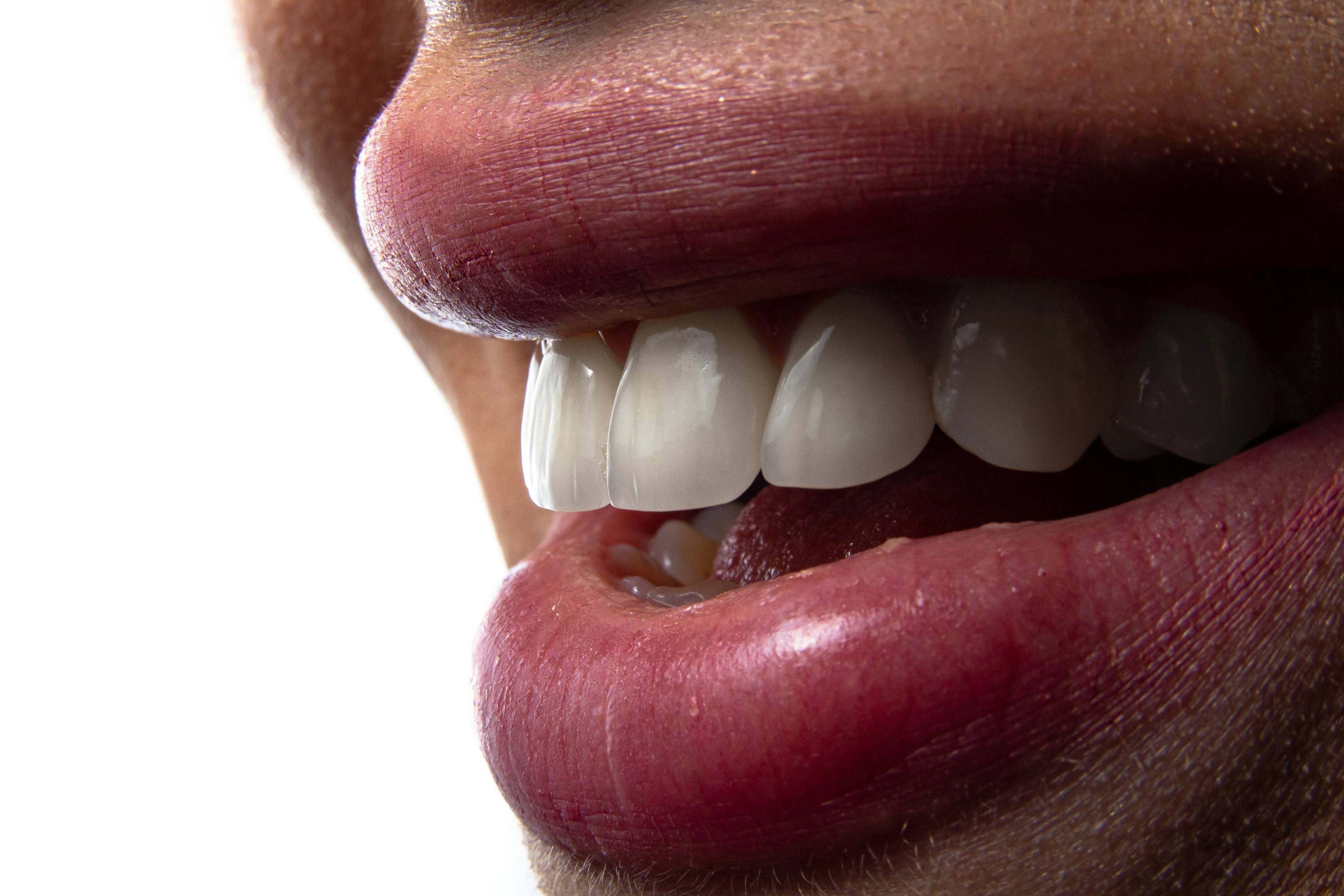
Dental implants are a successful tooth replacement option for many people. They are fixed in the mouth, so often feel very similar to natural teeth. As a result, it is easy for most people to get used to having dental implants as they do not feel dissimilar to natural teeth. Dental implants are a key component of cosmetic dentistry, offering significant aesthetic improvements for patients.
Dental implants are generally the longest lasting tooth replacement option currently available.
Risks of dental implants
Dental implant surgery is a complex procedure that involves replacing tooth roots with metal screws and damaged or missing teeth with artificial replacements, and it is important to be aware of the associated risks prior to starting your treatment.
Infection
There is a risk of infection for any surgical procedure. These risks are usually mitigated by the health professional ensuring high standards of infection control are practised. Implant surgery must be performed in a sterile field, and this in itself will help to reduce the risk of infection. Infections can also be prevented by adhering to post-operative instructions from your dentist, such as use of an anti-bacterial mouthwash and keeping the implant site as clean as possible by practising good oral hygiene. Additionally, maintaining healthy gum tissue is crucial to prevent infections around the implant site.
Implant loss
While this is very rare, sometimes an implant can be rejected for a number of reasons. The implant may feel loose and could eventually fall out.
Peri-implantitis
Peri-implantitis is inflammation of the bony structures around the tooth implant. This can often be treated by specialised cleaning around the area, but on rare occasions it can result in loss of the implant.
Nerve damage
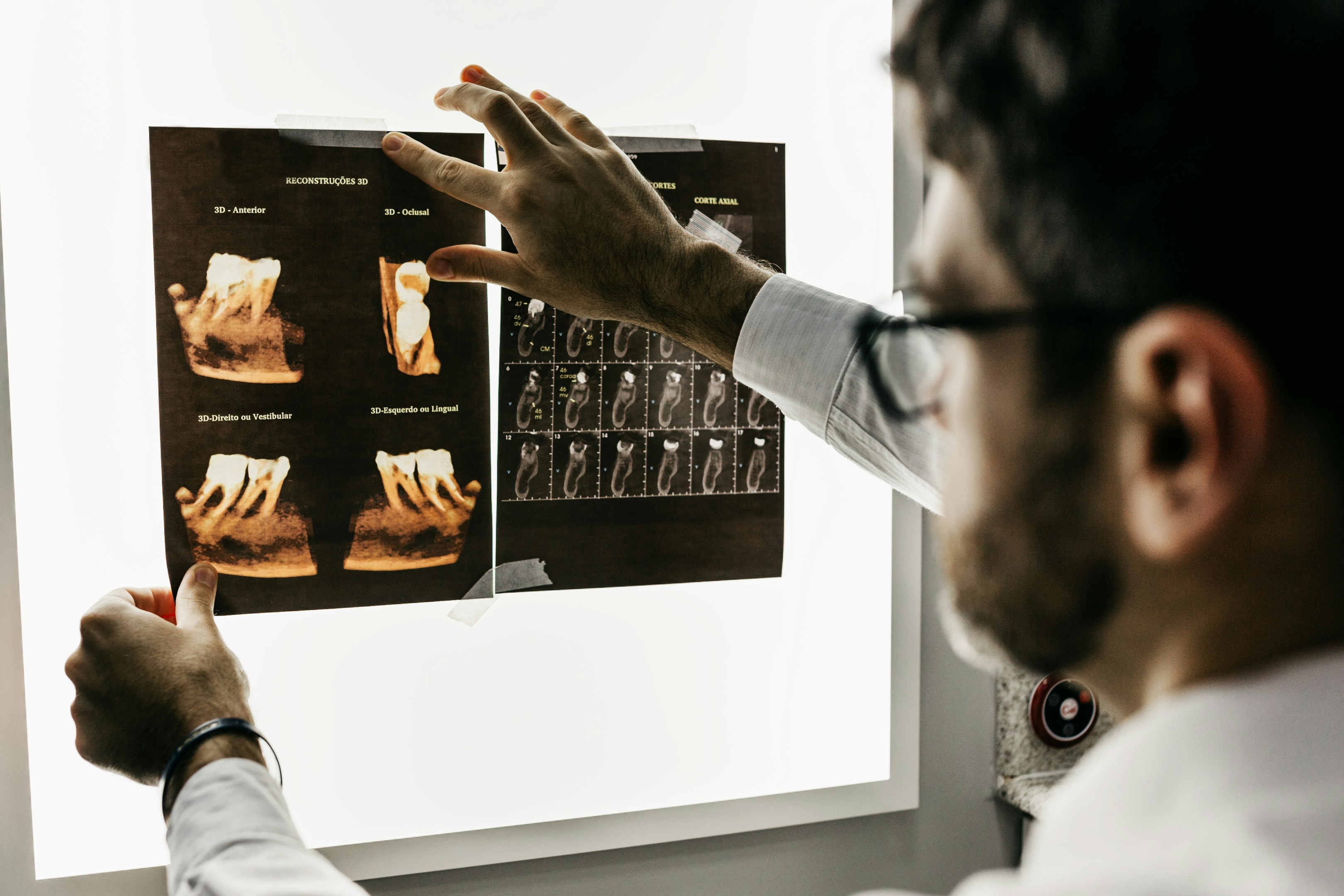
Nerve damage can occur if a implant is placed too close to a nerve. This is usually thoroughly checked prior to the surgery via the use of a 3D CT scan to determine the anatomy around the planned implant site. This risk if also mitigated by an experienced surgeon by the use of an implant guide, which is used to ensure accurate implant placement.
Damage or injury to surrounding structures and/or teeth during bone grafting
This risk is rare if a 3D CT scan has been used to thoroughly analyse the implant placement site.
Allergic reaction
Allergic reactions are extremely uncommon, as the commonly used materials for dental implants are generally highly biocompatible.
Cost of dental implants
Dental implants range in cost depending on the complexity of the treatment required and the expertise of the operator. Generally, dental specialists such as Oral and Maxillofacial Surgeons and Periodontists will charge the most for treatment due to their experience and expertise.
Prices for a dental implant done by a general dentist who has done further training in dental implantology start from $6000.
Pre-requisites for dental implants
It is important that you have a high level of oral health and healthy teeth and gums before embarking on dental implants.
In particular, if you suffer from gum disease, it is very important to have this treated and stabilised because your implants could be adversely affected.
Procedure for dental implant surgery
Consultation
Start off by having a consultation with your chosen dentist regarding dental implants. Explain your objectives and get further information on whether implant placement is possible.
Planning and Record-taking
Your dentist will then require further records for planning purposes. This could include an Orthopantomogram, CBCT, digital scans, photographs and impressions of your mouth.
Treatment plan discussion
Your dentist will then meet with you to discuss your treatment in detail, including any particular risk factors, expectations and costs. If you are happy to proceed, the next step is to book the surgery.
Surgery
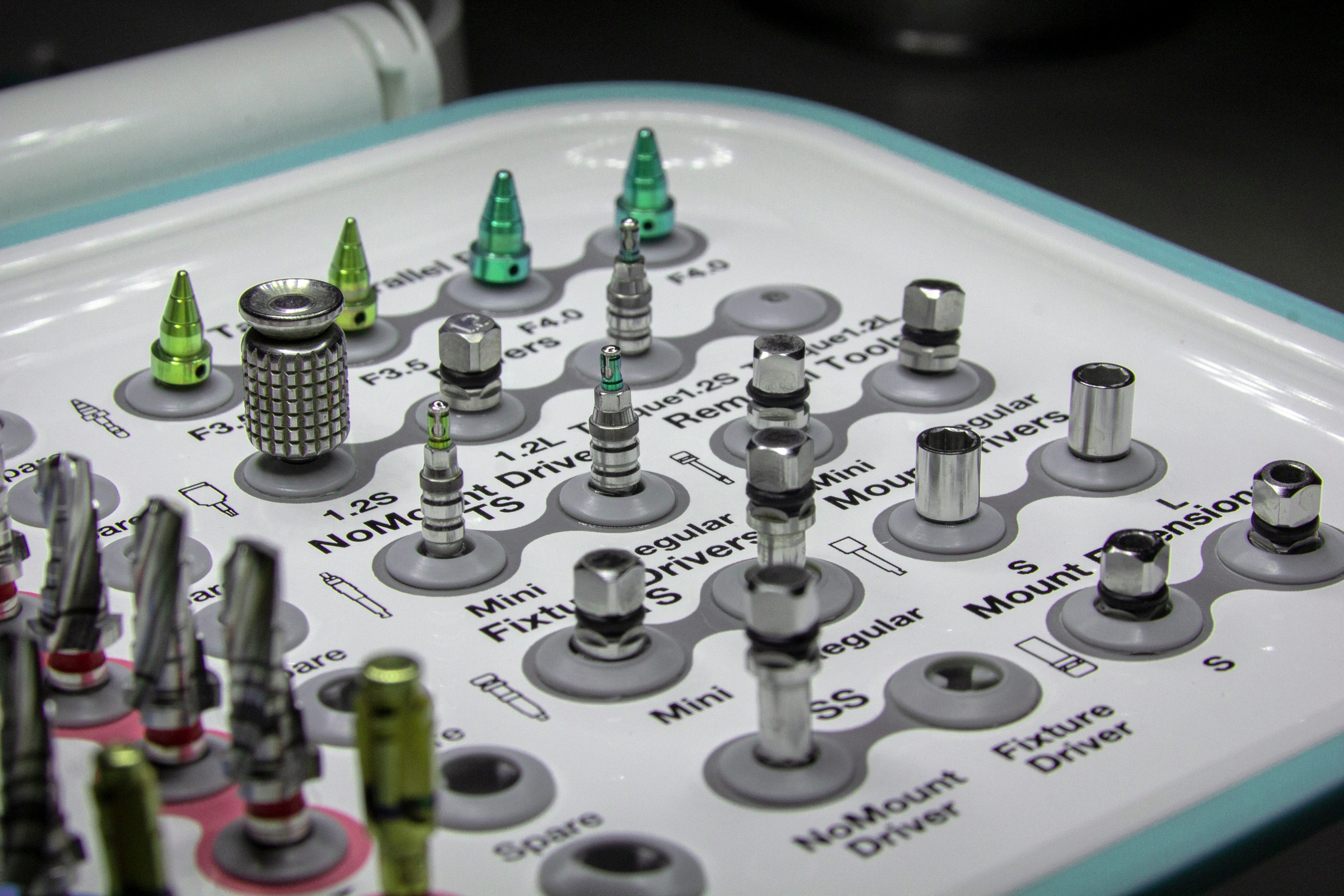
This is when the implants, which replace natural tooth roots with metal screws, will be placed. Most dental implants can be placed under local anaesthesia, and you do not need to be hospitalised. Some patients will choose to undergo IV sedation or General Anaesthesia for their surgery.
Post-surgery review
After your surgery, you may have a quick review appointment to check your healing.
Osseo-integration review
Approximately 3 months after your dental implant have been placed, your dentist will conduct a check to make sure your implant is stable and adequately integrated to your jaw bone. If this is satisfactory, you can have the dental crown made for your dental implant.
Crown fabrication and insert
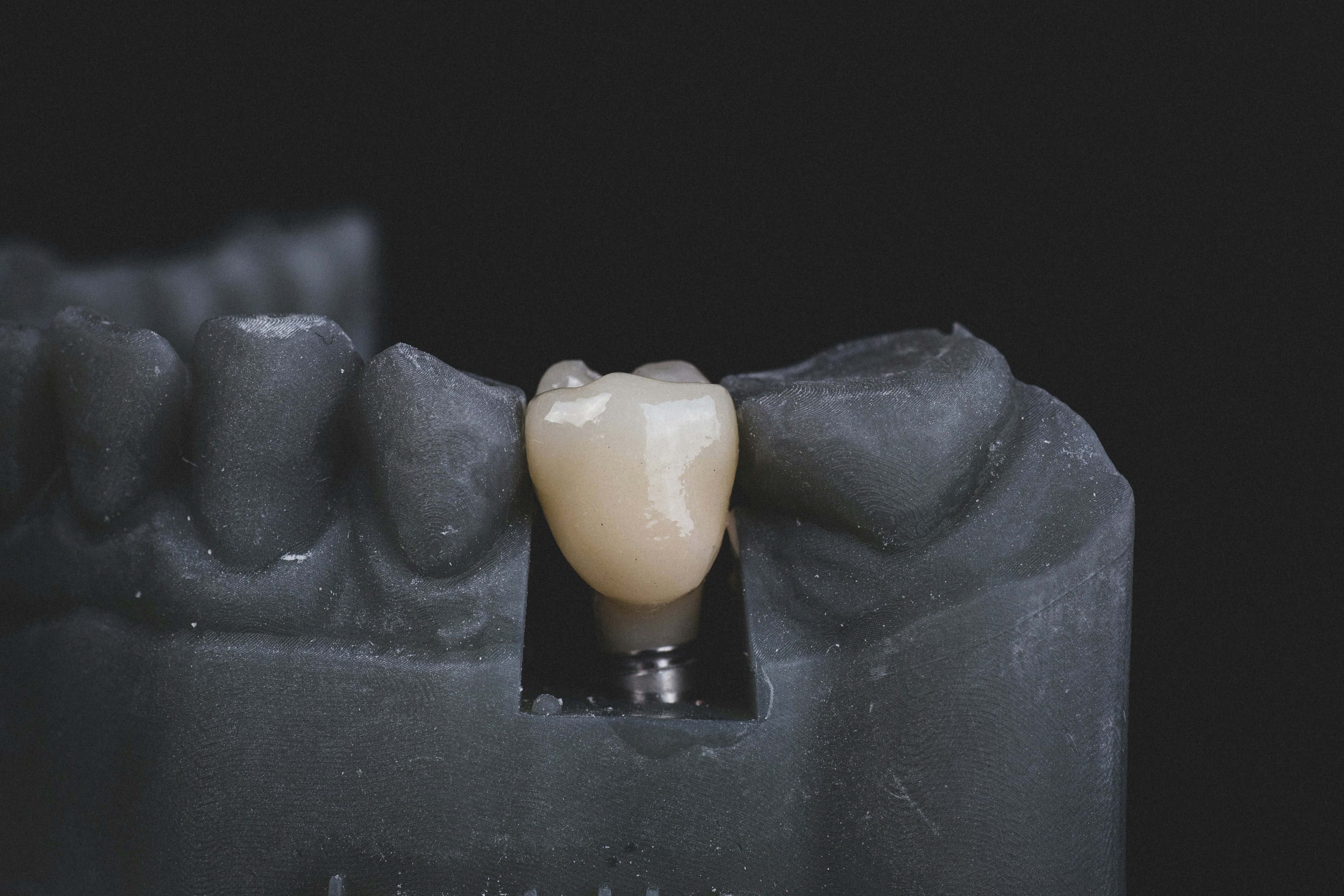
Your mouth will be scanned or an impression taken to allow for the fabrication of your dental crown for the implant. This can take approximately 2 weeks. After this time, the abutment and crown can be placed on your implant, and your treatment is complete.
Choosing a provider for dental implants
It is important to adequately research your dental implant provider. Look for information such as experience, expertise and reviews. You may also want to ensure that you have major dental private health cover as you can then receive a rebate on your dental implant treatment.
Multiple dental implants
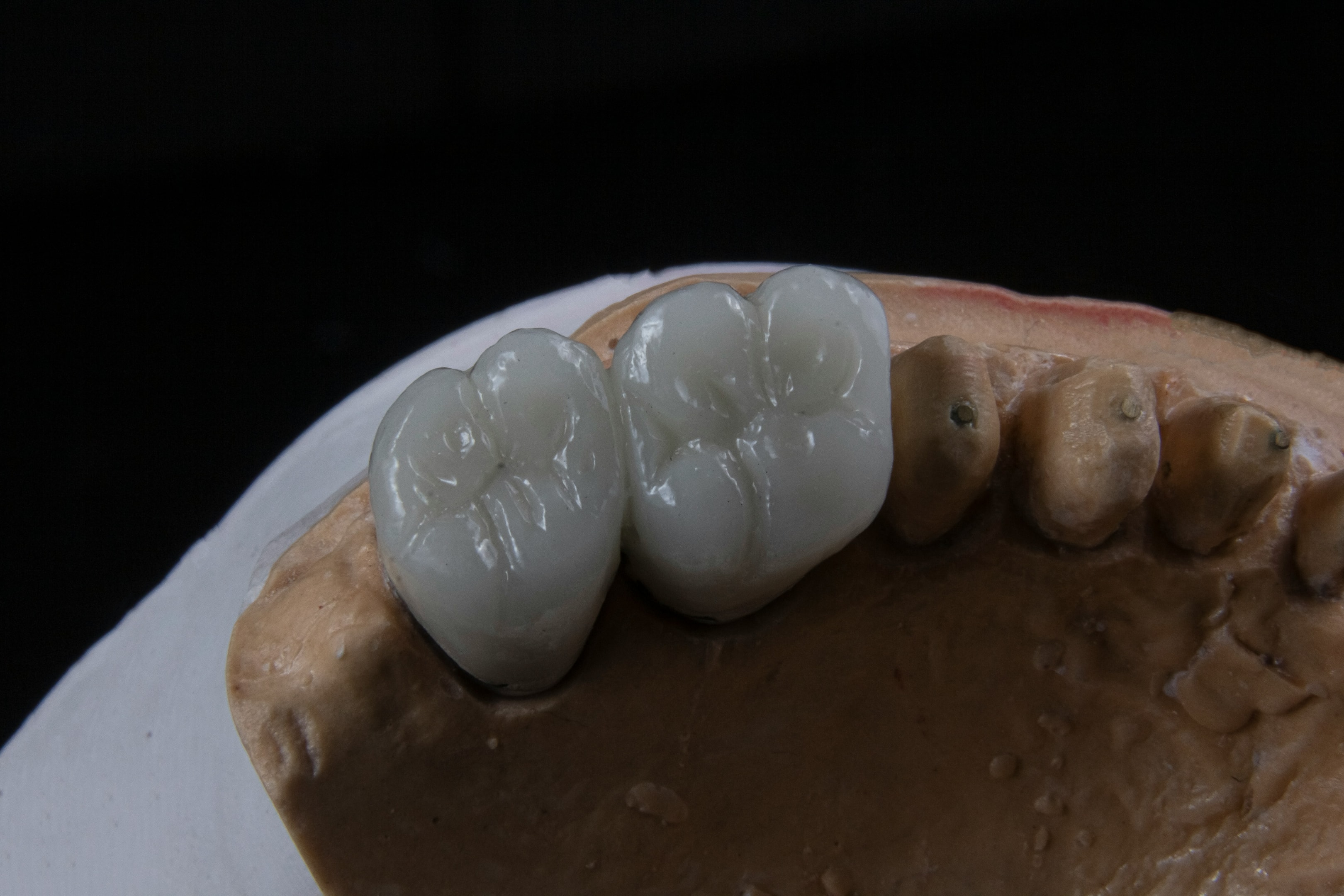
It is possible to have more than one dental implant placed if you have more than one missing tooth. Sometimes an implant supported bridge can be done so that you do not need to have one dental implant for each tooth you are missing. A fixed dental implant bridge can also be used to restore multiple missing teeth, supported by two or more dental implants.
Immediate dental implants
Some people may be eligible to have immediate dental implant placement if they do not already have a missing tooth, and require a tooth extraction. An immediate placement means that when the tooth is removed, the dental implant is placed immediately after. This saves on waiting for healing time if you have the tooth removed prior.
All on X and All on 4 dental implant treatments
These dental implant treatments are for those who have no teeth at all, or who are planning to have all their teeth removed. They are specialised implant supported dentures which are anchored to the jaw bone by 4 or more dental implants. The cost starts from $20000. A fixed implant bridge is another type of dental restoration for patients missing several teeth, supported by multiple dental implants.
How Dental Implants Compare to Natural Teeth
Dental implants are designed to mimic the natural structure and function of teeth. They are made of titanium, a biocompatible material that is accepted by the body, and are inserted into the jawbone to provide a stable foundation for artificial teeth. Unlike natural teeth, dental implants do not decay or become damaged by cavities. However, they do require regular cleaning and maintenance to prevent the buildup of plaque and bacteria. With proper care, dental implants can last for many years, providing a long-lasting and effective solution for restoring missing teeth. While they may not be natural teeth, dental implants offer a durable and reliable alternative that can seamlessly blend with your existing teeth.
Restoring a Missing Tooth with a Dental Implant
Restoring a missing tooth with a dental implant involves a multi-step process. First, the implant is surgically inserted into the jawbone, where it is allowed to heal and integrate with the surrounding bone tissue. This healing period, known as osseointegration, ensures that the implant becomes securely anchored in the jawbone. Once the implant has healed, an abutment is attached to the implant, which serves as a connector for the artificial tooth. Finally, the artificial tooth is attached to the abutment, restoring the natural appearance and function of the person’s smile. The entire process can take several months to complete, but the end result is a natural-looking and functional tooth that can last for many years. With a dental implant, you can enjoy the confidence and convenience of a restored smile that feels just like your natural teeth.
Early Release of Superannuation
Some people who are suffering from chronic diseases caused by dental problems can apply to the Australian Tax Office for Early Release of Superannuation to pay for their dental treatment.
Want to find out more about dental implant tooth replacements?
The experienced cosmetic dentists at our Claremont dental centre can talk to you about your options for dental implant tooth replacements. You can book an obligation-free consultation at a convenient time using our online booking portal here. Or simply speak to our Claremont dental team by calling us on 6143 5655 today.
Our centre offers a comprehensive range of cosmetic dentistry services, expertly designed to enhance your smile.