Missing teeth: what are the replacement options?
Options for Missing Teeth
Premature removal of teeth, or missing teeth, is a common dental issue. In the past, painful or infected teeth were often removed, resulting in a gap or missing tooth. Having one or more missing teeth can cause other significant dental problems. Missing teeth can lead to issues with other teeth, such as shifting or loosening, which may result in a range of dental health problems over time. As such, if you do require the removal of a tooth, it’s best to discuss replacement options with your trusted dentist prior to having the tooth removed. This will help you to achieve the best treatment success of the replacement option you choose.
Causes and Effects of Missing Teeth
Missing teeth can have a significant impact on a person’s quality of life, affecting not only their oral health but also their overall well-being. The causes of missing teeth can vary, but some common reasons include:
- Tooth decay and gum disease: These are the leading causes of tooth loss. Poor dental hygiene can lead to cavities and periodontal disease, which can ultimately result in tooth loss.
- Injury or trauma to the mouth: Accidents or injuries can cause teeth to be knocked out or damaged beyond repair.
- Genetics: Some people are more prone to dental issues due to their genetic makeup.
- Poor dental hygiene: Neglecting regular brushing, flossing, and dental check-ups can lead to severe dental problems.
- Aging: As we age, our teeth can become more susceptible to decay and wear, leading to tooth loss.
The effects of missing teeth can be far-reaching, including:
- Difficulty chewing and speaking: Missing teeth can make it challenging to eat certain foods and articulate words clearly.
- Changes in facial appearance: The loss of teeth can lead to a sunken appearance in the cheeks and lips, making a person look older.
- Loss of confidence and self-esteem: Gaps in the smile can make individuals self-conscious, affecting their social interactions and overall confidence.
- Increased risk of gum disease and other oral health issues: Missing teeth can create spaces where bacteria can thrive, leading to further dental problems.
- Difficulty eating and digesting food: Missing teeth can make it hard to chew food properly, which can affect digestion and overall nutrition.
Problems that can be caused by having missing teeth
Missing teeth can look unsightly, especially if it is a front tooth. Having a gap at the front can cause a lack of confidence, especially when speaking and smiling. Those with missing front teeth may avoid showing their teeth when smiling and dislike photographs being taken of them. It may also impact their socialisation and employability.
Having multiple missing teeth, or no teeth at all can cause over-closure of the mouth and a loss of vertical height. This can lead to other problems including an increased risk of fungal infections such as angular cheilitis.
Having a gap in the mouth caused by a missing tooth can cause the teeth nearby to tip and move. This could make it difficult or impossible to replace the tooth at a later time due to lack of space. A missing tooth can also cause the opposing tooth above or below to erupt downwards (known as over-eruption). Additionally, removable partial dentures used to replace missing teeth can exert pressure on existing natural teeth, potentially leading to dental issues over time. Eventually, this could also result in the movement and premature loss of this tooth also.
Missing teeth can also cause other teeth to wear down at a much more rapid pace due to compensation by other teeth. This may result in the premature breakdown and damage to remaining teeth.
Options and costs to replace missing teeth
Dentures
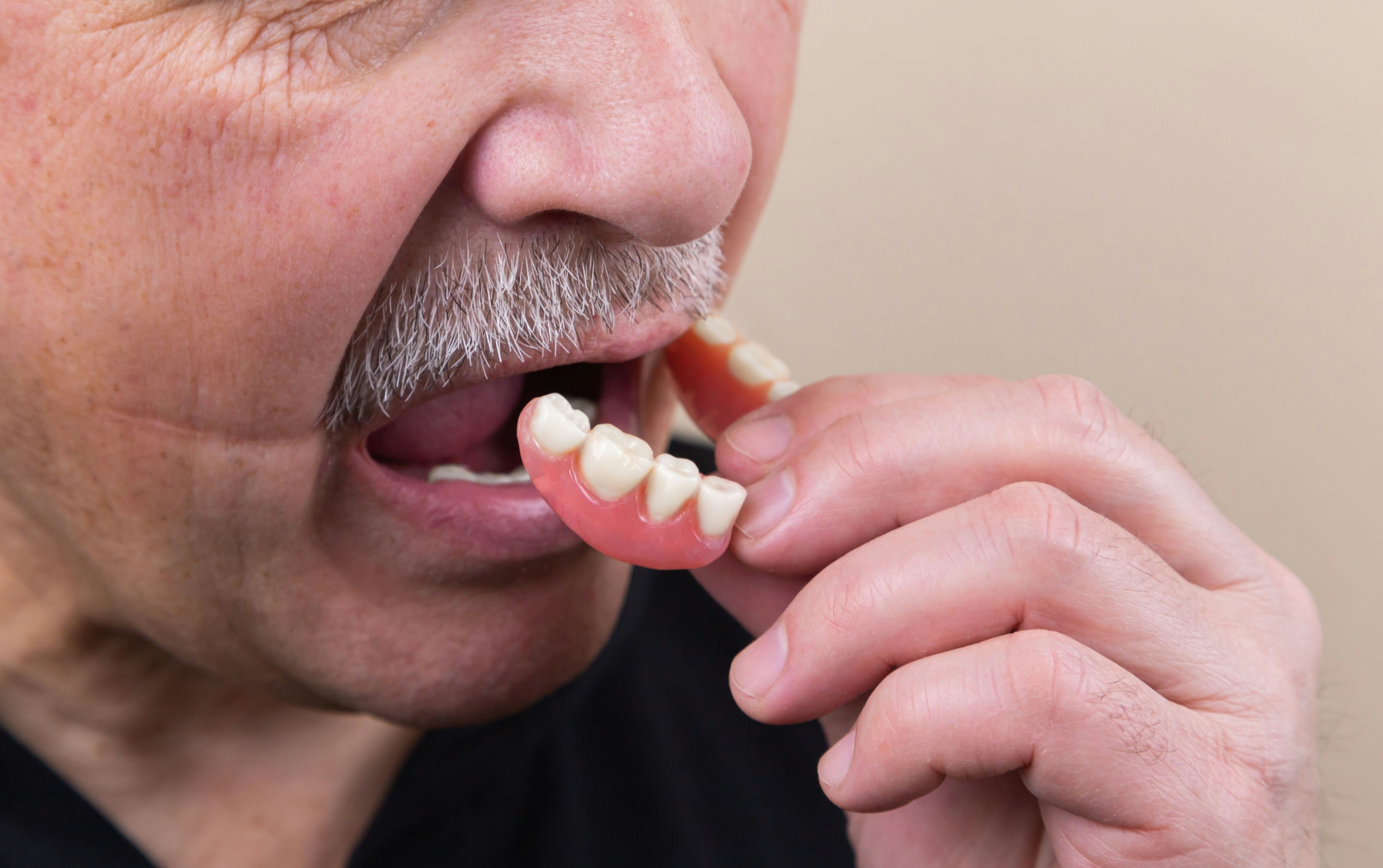
Dentures are removable tooth replacements usually fabricated from acrylic, or a combination of acrylic and chrome-cobalt. Dentures may take some time for new wearers to get accustomed to, as it may take some time for the muscles and tissues to manage functions such as eating and speaking. As a result, new denture wearers may lisp for a few weeks until the tongue becomes accustomed to it.
Denture wearers may also experience ulcers caused by pressure as the tissues become accustomed to the pressure of denture wear. Often the pressure can be alleviated by a small adjustment of the denture fitting surface.
Dentures need regular replacement, approximately every 7-10 years unless damaged earlier than this. it is important that dentures fit well in order for them to be stable and comfortable for the wearer.
Dentures are generally the cheapest replacement option for a missing tooth or teeth.
Immediate dentures are dentures that can be made before a tooth is removed so that on the day of the tooth removal appointment, the denture can be placed in the mouth straight afterwards. This means the patient will not have a visible gap. Immediate dentures will need relining or replacing after the gums have healed. This is generally 3 months after the tooth has been removed.
For those with no teeth at all, there are no All-on-X or All-on-4 options, which are dentures stabilised by a certain number of dental implants placed in the jaws. These options range from $20000.
Bridges
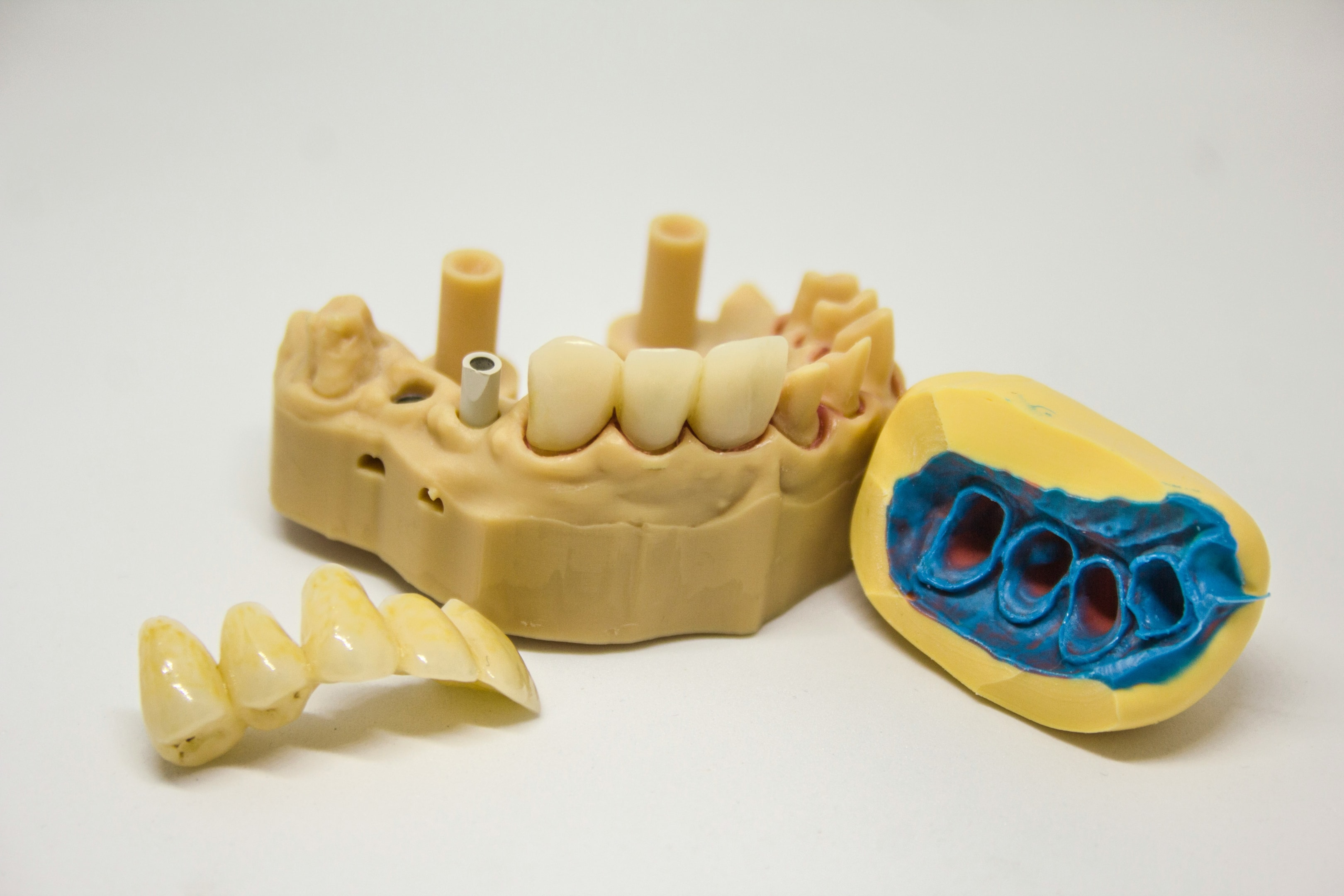
Dental bridges are tooth replacements generally made out of porcelain and metal alloy which utilise an anchor tooth which usually has a crown on it, or a metal wing. Dental bridges can replace one or more teeth, but usually cannot replace more than three in one span.
Dental bridges will require the removal of some tooth structure, sufficient for a crown to be placed on adjacent teeth. A bridge can only be placed between a gap where there is a tooth in front and behind.
The cost of a dental bridge will vary depending on the number of teeth being replaced and the materials used. The cost of a bridge starts at $3500.
Dental implants
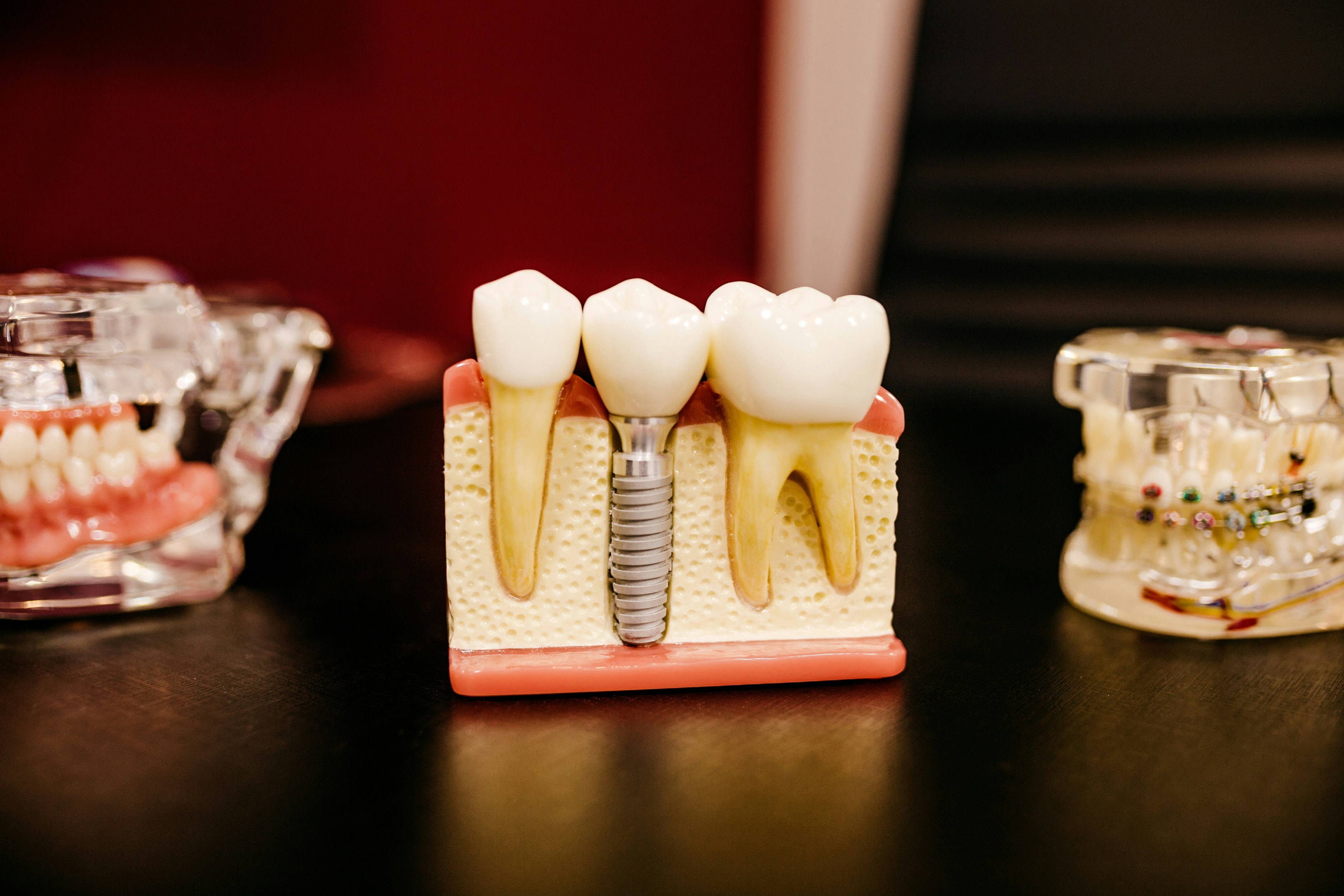
Dental implants consist of three parts that replace a whole tooth. There is the titanium screw which is placed into the jaw bone and integrates to it like a tooth root. Then there is an abutment which connects the screw to the crown which is placed on top to simulate a natural tooth.
The All-on-4 dental implant procedure secures a new set of permanent teeth for patients looking to replace an entire arch of teeth.
Dental implants are the most costly option for replacing a tooth, however they do not necessitate the need for any treatment to adjacent teeth.
Factors such as smoking, gum disease and osteoporosis may affect your ability to have dental implants placed.
Single Tooth Replacement
If a single tooth is missing, there are several options available for replacement, including:
- Dental implants: A dental implant is a titanium post that is surgically inserted into the jawbone to support a crown or bridge. This option provides a permanent and natural-looking solution.
- Removable partial denture: A removable partial denture is designed to replace one or more missing teeth. It can be taken out for cleaning and is a cost-effective option.
- Bridge: A bridge is a fixed appliance that is attached to adjacent teeth to replace a missing tooth. It provides a stable and durable solution.
Each of these options has its benefits, and the best choice will depend on individual needs and circumstances. Consulting with a dentist can help determine the most suitable option for replacing a single missing tooth.
Multiple Teeth Replacement
If multiple teeth are missing, there are several options available for replacement, including:
- Dental implants: Dental implants can be used to replace multiple missing teeth, either individually or as part of a bridge or denture. This option offers a permanent and natural-looking solution.
- Partial dentures: Partial dentures are designed to replace multiple missing teeth and can be attached to existing teeth or implants. They are removable and can be a cost-effective solution.
- Full dentures: Full dentures are designed to replace all of the teeth in the upper or lower jaw. They can be attached to implants or existing teeth for added stability.
It’s essential to consult with a dentist to determine the best option for replacing missing teeth, as the right solution will depend on individual needs and circumstances. By exploring the available options, you can find a solution that restores your smile and improves your dental health.
How to choose the best replacement options for missing teeth
It’s important to be fully informed about your options before making your choice. Speak to a trusted health professional about the pros and cons of each option, and discuss the cost and longevity.
Your private health fund may cover some of your treatment if you have major dental cover.
Importance of replacing missing teeth
Boost confidence and self-esteem
Replacing missing teeth can have a significant impact on a person’s confidence and self-esteem. With modern dentistry, there are many options available to replace missing teeth, including dental implants, dentures, and bridges. These options can help restore a person’s smile and improve their overall quality of life.
Dental implants, for instance, provide a permanent solution that looks and feels like natural teeth. Dentures and bridges are also effective options that can enhance the appearance of your smile and restore functionality. By replacing missing teeth, individuals can regain their confidence, smile more freely, and enjoy a better quality of life.
Prevent tooth movement problems such as tilting and over-eruption
Prevent wear and breakdown of remaining teeth
Preserving Natural Teeth
Preserving natural teeth is essential for maintaining good oral health and preventing the need for replacement teeth. Here are some tips for preserving natural teeth:
- Maintain good oral hygiene: Brush your teeth at least twice a day and floss daily to remove plaque and prevent cavities and gum disease.
- Regular dental check-ups: Visit your dentist regularly for professional cleanings and check-ups to catch any issues early.
- Healthy diet: Eat a balanced diet rich in vitamins and minerals to support dental health. Avoid sugary and acidic foods that can damage teeth.
- Avoid smoking: Smoking can increase the risk of gum disease and tooth loss.
- Use protective gear: If you play sports, wear a mouthguard to protect your teeth from injury.
By following these tips, you can help ensure the longevity of your natural teeth and reduce the likelihood of needing replacement teeth in the future.
Want to find out more about replacement options for missing teeth?
The experienced cosmetic dentists at our Claremont dental centre can talk to you about replacement options for missing teeth. You can book an obligation-free consultation at a convenient time using our online booking portal here. Or simply speak to our Claremont dental team by calling us on 6143 5655 today.