The Ultimate Guide to Porcelain Veneers Perth: Enhance Your Smile
Searching for information on porcelain veneers in Perth? This article explains everything you need to know about porcelain veneers, including their benefits and associated costs. Read further to choose the perfect solution for a beautiful smile in Perth.
What are Porcelain Veneers Perth?
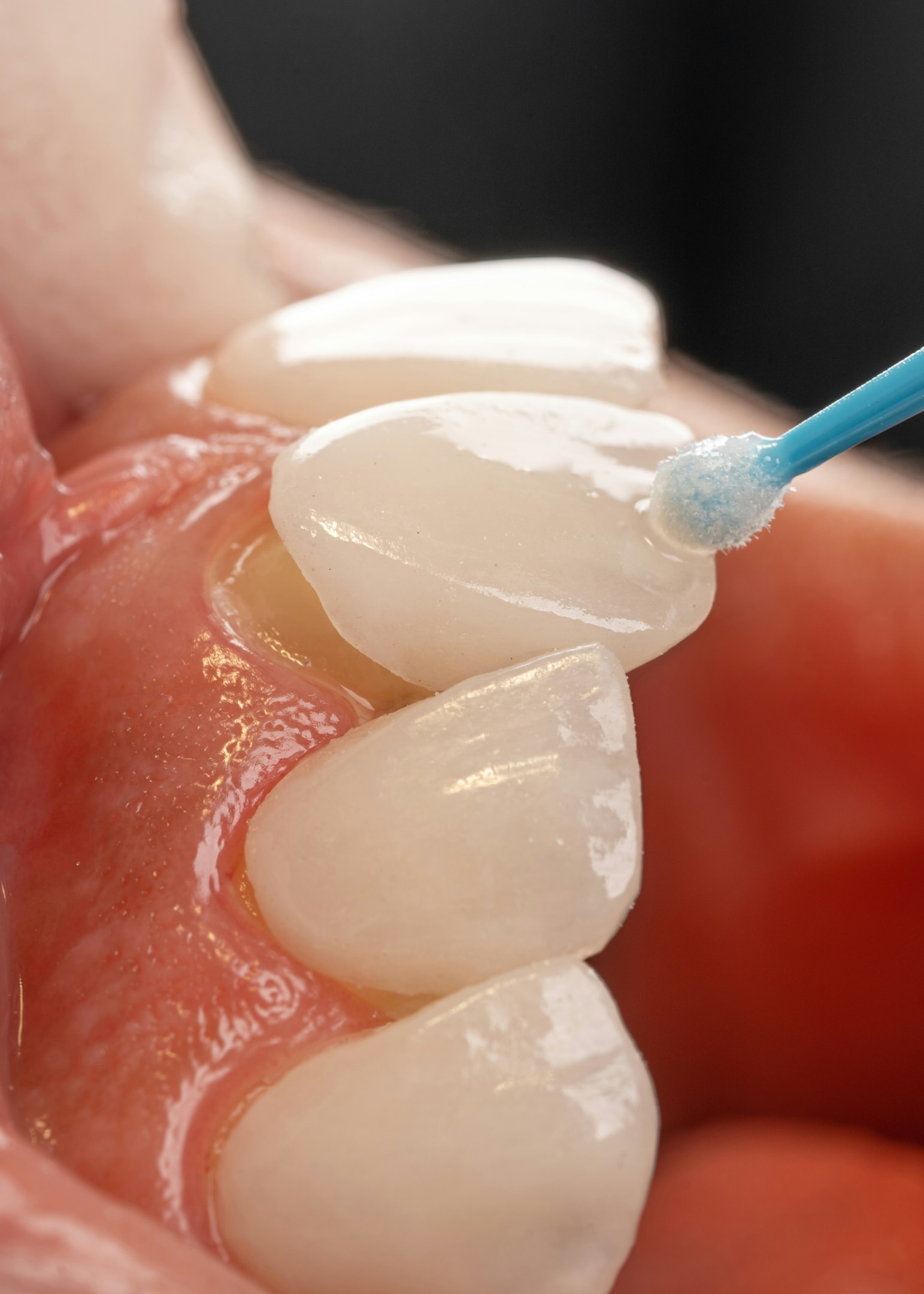
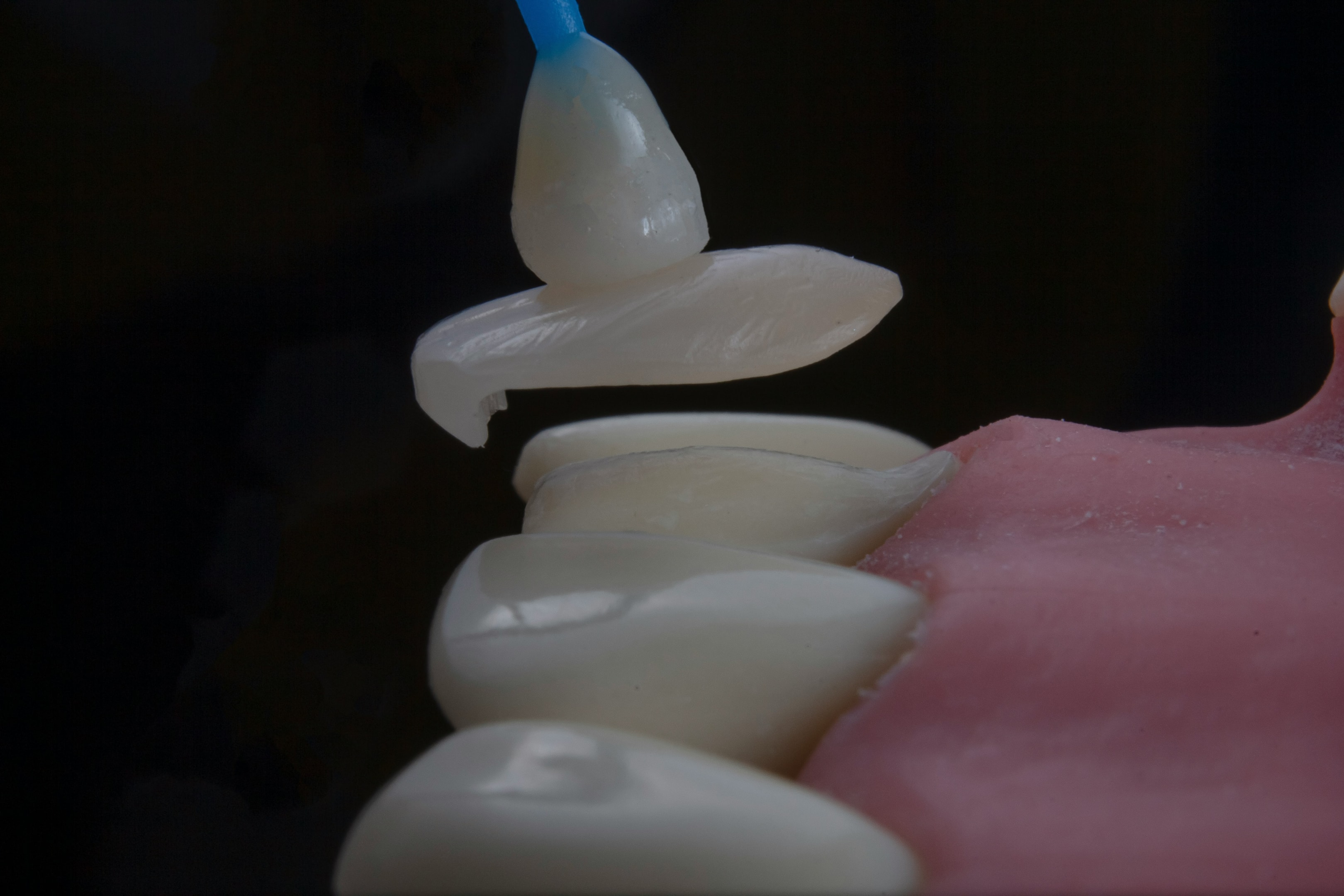
Porcelain dental veneers are thin shells of dental material placed over natural teeth. The custom-made thin shells of porcelain are placed onto natural teeth in order to disguise common cosmetic problems such as crooked teeth, worn down teeth, chipped teeth, gapped teeth, discoloured teeth or misshapen teeth. Porcelain dental veneers are custom made in a dental laboratory to be adhered to your natural enamel with dental cement. Individual shade selection can be done, and specific customisations can help to provide a natural appearance. These veneers are known for their stain resistance, making them an excellent choice for achieving a bright smile. Additionally, we offer transparent pricing and financing options to make porcelain dental veneers accessible to everyone.
Porcelain veneers are different to dental crowns made of porcelain because they usually only cover the front surface of existing teeth, whereas crowns cover the entire tooth surface.
Because porcelain veneers are made by a dental technician, you will need to have temporary veneers fitted whilst your veneers are being made. Porcelain veneer treatment is usually completed in two visits.
The first visit is when the teeth are prepared for the porcelain veneers to fit on them. Then temporary veneers would be fitted for approximately two weeks. The final veneers are then inserted onto the natural teeth. The final porcelain veneers are seamless and very difficult to tell apart from natural teeth by the naked eye. Porcelain veneers are the most natural looking veneers and are stain resistant.
Porcelain veneers cost starts from $1320 at our Claremont cosmetic dental clinic.
Definition and Purpose
Dental veneers are thin, custom-made shells designed to cover the front surface of teeth, significantly enhancing their appearance and overall smile. These veneers are crafted from high-quality dental materials, such as tooth-colored composite or porcelain, to ensure a natural look. They are a popular cosmetic treatment for addressing various aesthetic concerns, providing a versatile solution for those looking to improve their dental aesthetics.
Overview of dental veneers
Dental veneers are a versatile cosmetic solution that can address a wide range of dental issues, including discolored, chipped, or broken teeth. They are also effective in closing gaps between teeth, correcting minor misalignments, and enhancing the overall shape and appearance of the smile. With proper care and maintenance, dental veneers can last for many years, offering a long-lasting solution for individuals seeking to improve the look of their teeth. Whether you’re dealing with minor imperfections or more noticeable flaws, dental veneers can provide a significant boost to your smile’s aesthetics.
Benefits of porcelain veneers
Porcelain veneers offer numerous benefits for individuals seeking to improve the appearance of their teeth. Some of the most significant advantages of porcelain veneers include:
- Enhanced aesthetics: Porcelain veneers can greatly improve the appearance of teeth, making them look more natural, straight, and white. The result is a stunning smile that looks and feels natural.
- Boosted confidence: With a more attractive smile, individuals can feel more confident in their daily lives, both personally and professionally. A beautiful smile can open doors and create positive first impressions.
- Durability: Porcelain veneers, in particular, are highly durable and can last for many years with proper care. This makes them a long-term investment in your dental health and appearance.
- Versatility: Porcelain veneers can be used to correct a wide range of dental issues, including chipped, cracked, or discoloured teeth. They are a versatile solution for many cosmetic dental concerns.
- Minimally invasive: The process of getting porcelain veneers is relatively painless and requires minimal preparation of the teeth. Additionally, porcelain veneers stain less than natural teeth, ensuring a long-lasting, perfectly white smile without extensive dental work.
Problems Solved by Porcelain Veneers
Porcelain veneers can solve a variety of problems, including:
- Discoloured teeth: Veneers can cover stains and discolouration, brightening the smile and improving its overall appearance.
- Chipped or broken teeth: Veneers can repair damaged teeth, restoring their shape and function.
- Gaps between teeth: Veneers can close gaps, creating a more uniform and aesthetically pleasing smile.
- Minor misalignments: Veneers can correct minor misalignments, improving the overall appearance of the smile.
- Worn-down teeth: Veneers can restore the shape and appearance of worn-down teeth, enhancing the overall look of the smile.
By addressing these common dental issues, veneers offer a comprehensive solution for achieving a beautiful, confident smile.
Who can get porcelain veneers?
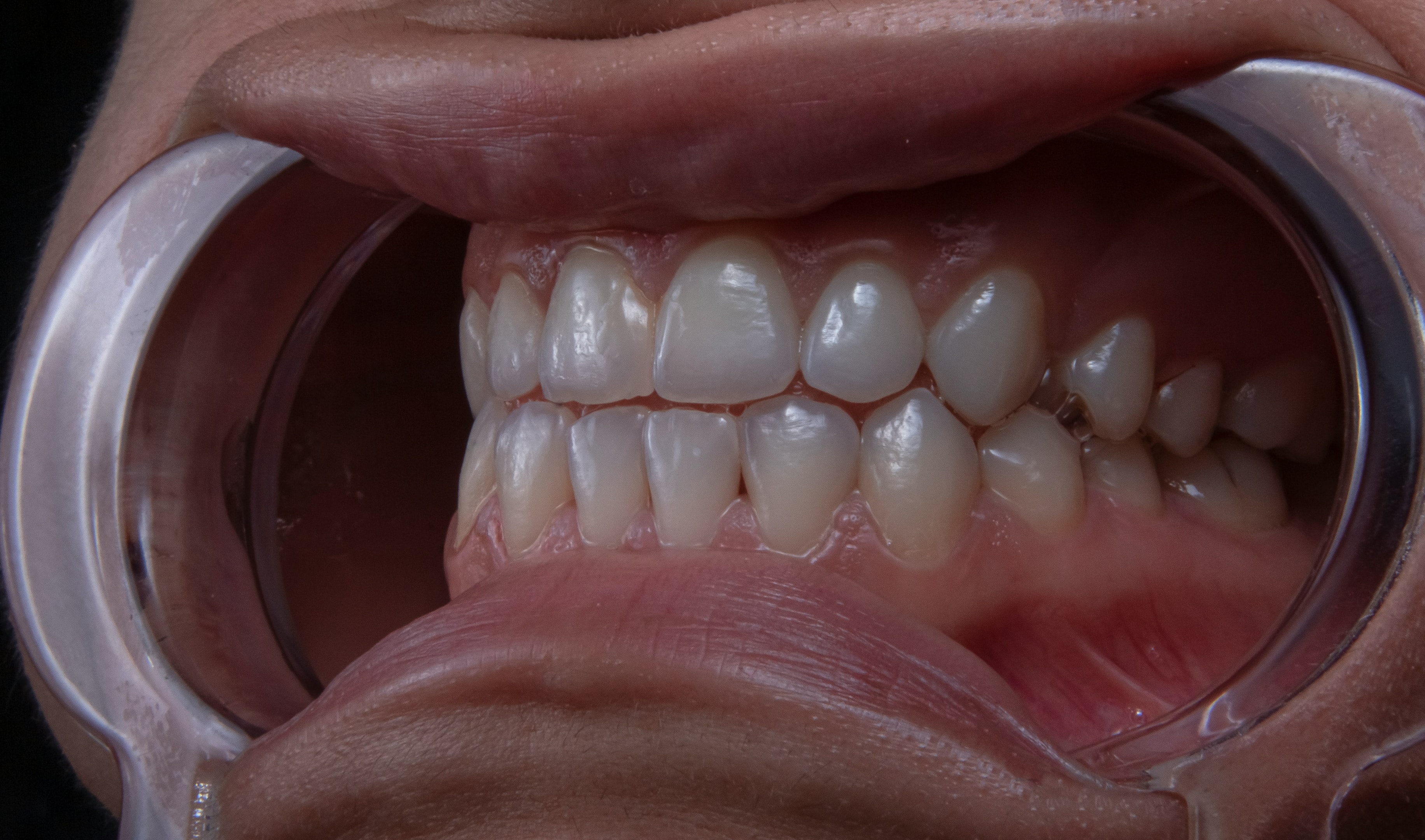
Most people are good candidates to get porcelain veneers. There are only a few reasons why someone should reconsider getting porcelain veneers. These reasons may include: difficulty maintaining good oral hygiene due to medical reasons, extreme teeth grinding or clenching, and age. Generally, children are not recommended to have porcelain veneers as their permanent teeth are still developing and there can be changes to teeth alignment and position.
Differences between porcelain veneers and composite veneers include:
- Time: Porcelain veneers are custom made shells manufactured in a dental laboratory by a qualified dental technician. As such, two appointments will be needed, one for the tooth preparation and record-taking, and the other for the insertion or attaching the porcelain veneers to the natural tooth. Because of this, porcelain veneers take longer to complete than composite veneers, which are placed in one appointment.
- Stain resistance: Porcelain veneers are stain resistant, whereas composite veneers can collect stain and therefore will discolour over time. They generally will require replacement every
- Longevity: Porcelain veneers generally last for 10-15 years, whereas composite veneers last 5-6 years on average.
Cost of porcelain veneers in Perth
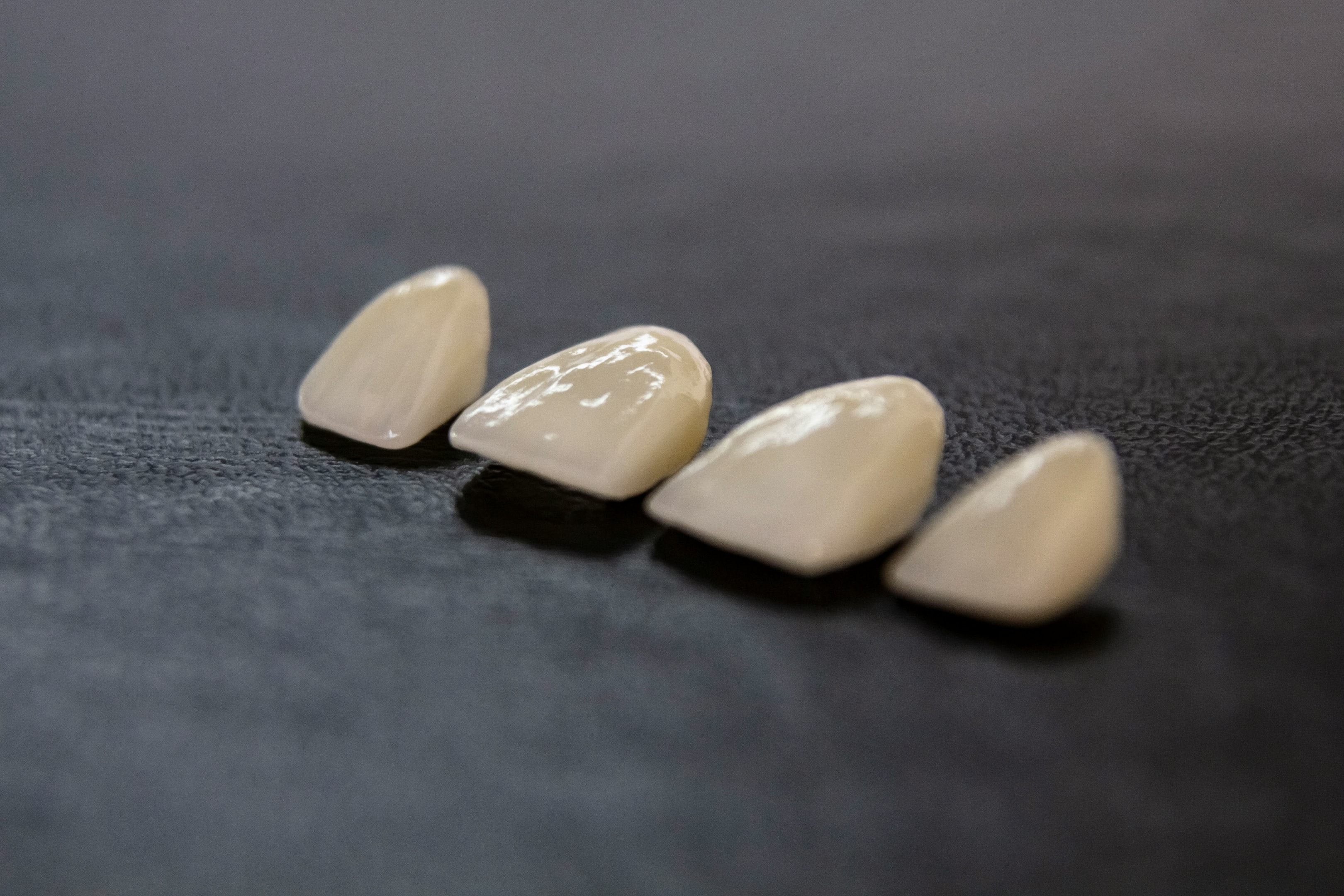
The cost of porcelain veneers in Perth starts from $1320, but the price can vary depending on the complexity of the treatment needed. It is generally quite rare to have only one veneer placed. Most individuals would consider at least 6 veneers on the front teeth in order to achieve the best cosmetic result. Veneers are also a good alternative for individuals whose teeth do not respond to whitening treatments.
Insurance and payment plans
Most private health insurers will cover the cost of dental veneers under major dental cover. You may need to check with your health insurance provider to ensure you have the appropriate major dental cover to claim your dental veneers cost.
Choosing the right porcelain veneer provider in Perth
Selecting the right provider for your porcelain veneers is crucial for ensuring safety and achieving the best results. A reputable provider offers high-quality service, expert knowledge, and tailored treatments to meet your individual needs.
Qualifications and Experience
Consider the qualifications and experience of a porcelain veneer provider when making your selection. Providers with many years of experience and proper credentials are more likely to deliver safe and effective treatments.
Quality service is often demonstrated through expert knowledge, honesty, and individualised treatment plans tailored to achieve the best possible results.
What are the pre-requisites before getting porcelain veneers?
Healthy teeth and gums
It is important that you have a good standard of oral health prior to having any cosmetic dentistry performed. In particular, you will want to ensure that you do not have any dental decay or gum disease. Gum disease affects the supporting structures of the teeth, and may cause complications to your porcelain veneers if it is not treated first. You should see a gum specialist to have your gum disease stabilised before starting any cosmetic dentistry.
Age
There is no age limit to having porcelain veneers, but they are not recommended for children. For young people, it is best to wait until growth has completely ceased in case there are any changes to the teeth and surrounding structures which may impact upon the cosmetic result.
Well-aligned teeth
Depending on the initial alignment of your teeth, your cosmetic dentist may discuss you with about aligning your teeth prior to having porcelain veneers placed on your existing teeth. This may be beneficial because you may require little to no removal of tooth enamel in order to have veneers placed. This helps to retain your natural tooth structure, leading to a higher success rate and longevity of your dental veneers.
If have you extremely misaligned teeth, having your teeth straightened first with orthodontic treatment such as Invisalign clear aligners can help to conserve underlying tooth structure whilst ensuring an excellent final result.
If your teeth are well-aligned, no prep veneers can often be made, which is where there is no requirement for any tooth preparation or removal of enamel. This minimally invasive technique differs from traditional porcelain veneers.
3D printed hybrid porcelain veneers
3D printed hybrid porcelain veneers are the latest in dental technology. These custom made dental veneers are made without needing to use a dental laboratory. As a result, the waiting time is much shorter. Most 3D printed hybrid porcelain veneers are made directly in the dental clinic. These dental veneers can be made with minimal to no tooth enamel removal. This helps to reduce the risk of side effects such as tooth sensitivity or de-bonding.
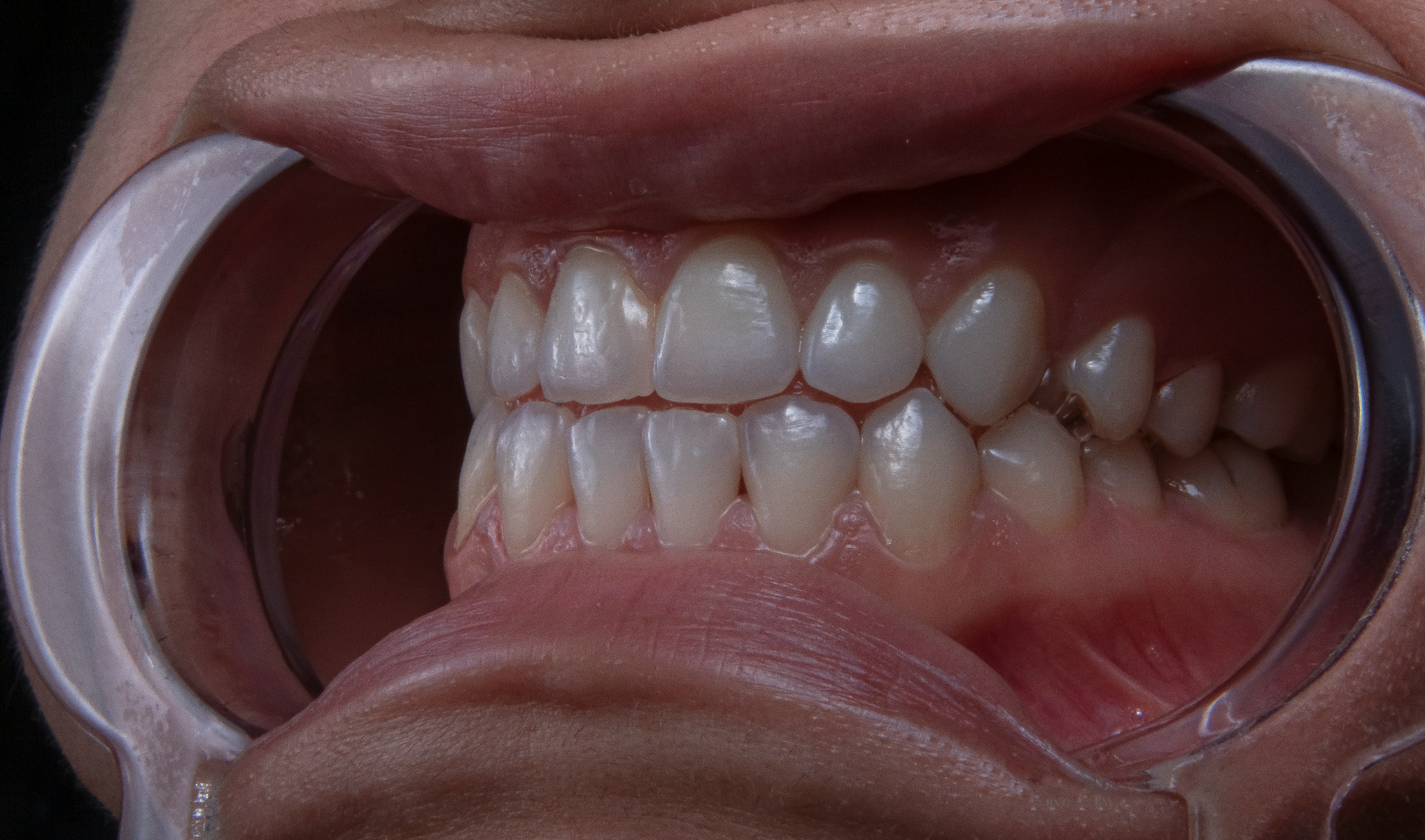
What is the process for getting porcelain veneers?
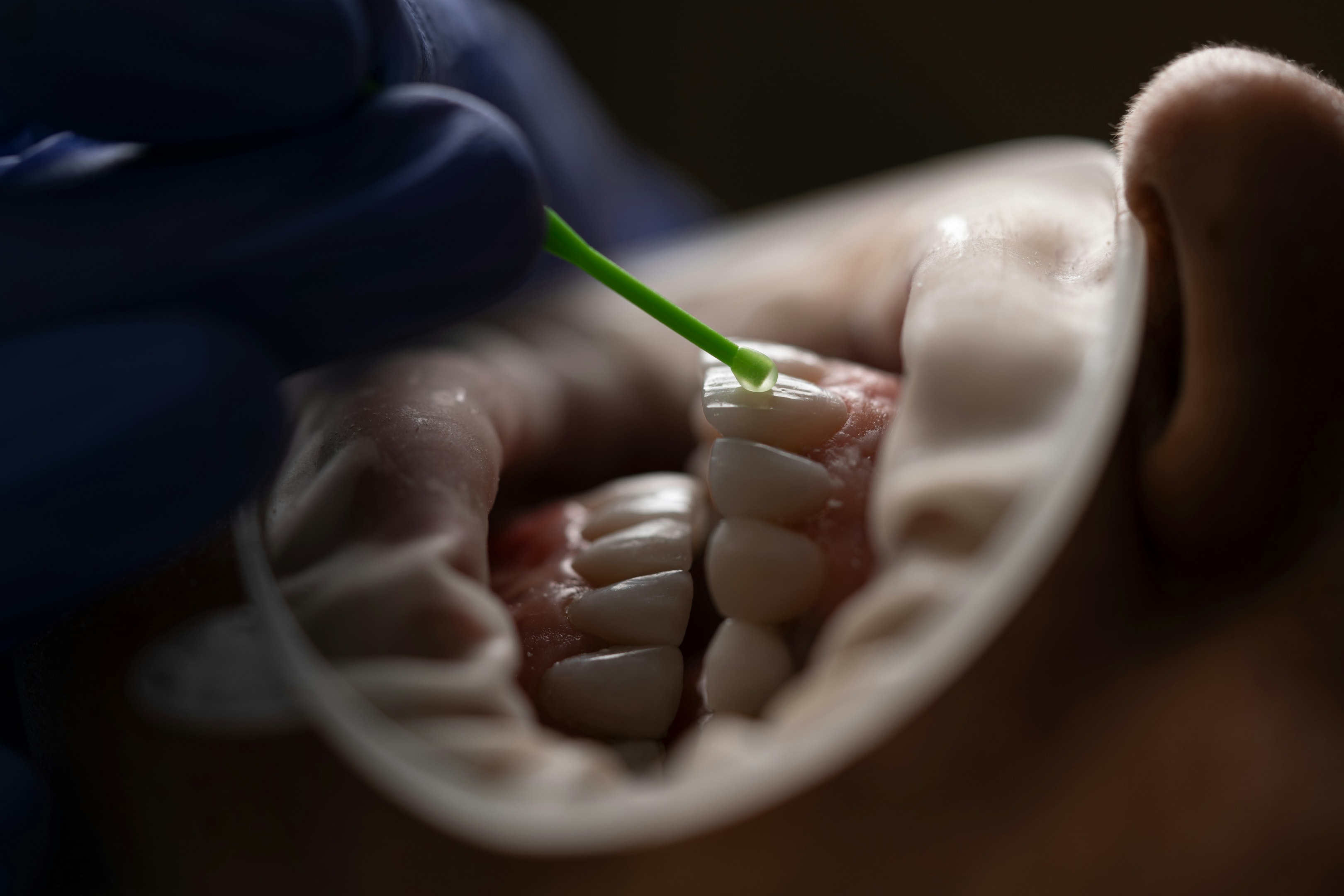
Initial consultation
An initial consultation is an important first step when discussing cosmetic dental treatment. Experienced dentists will want to find out what your cosmetic concerns are so they can discuss tailored solutions.
Preparation and record-taking
An experienced cosmetic dentist will then need to set aside adequate time to record your initial smile. This usually takes the form of 3D digital scans, impressions and photographs. This information will help them to plan your treatment and discuss what options are available to meet your concerns.
Planning and trialling your new smile
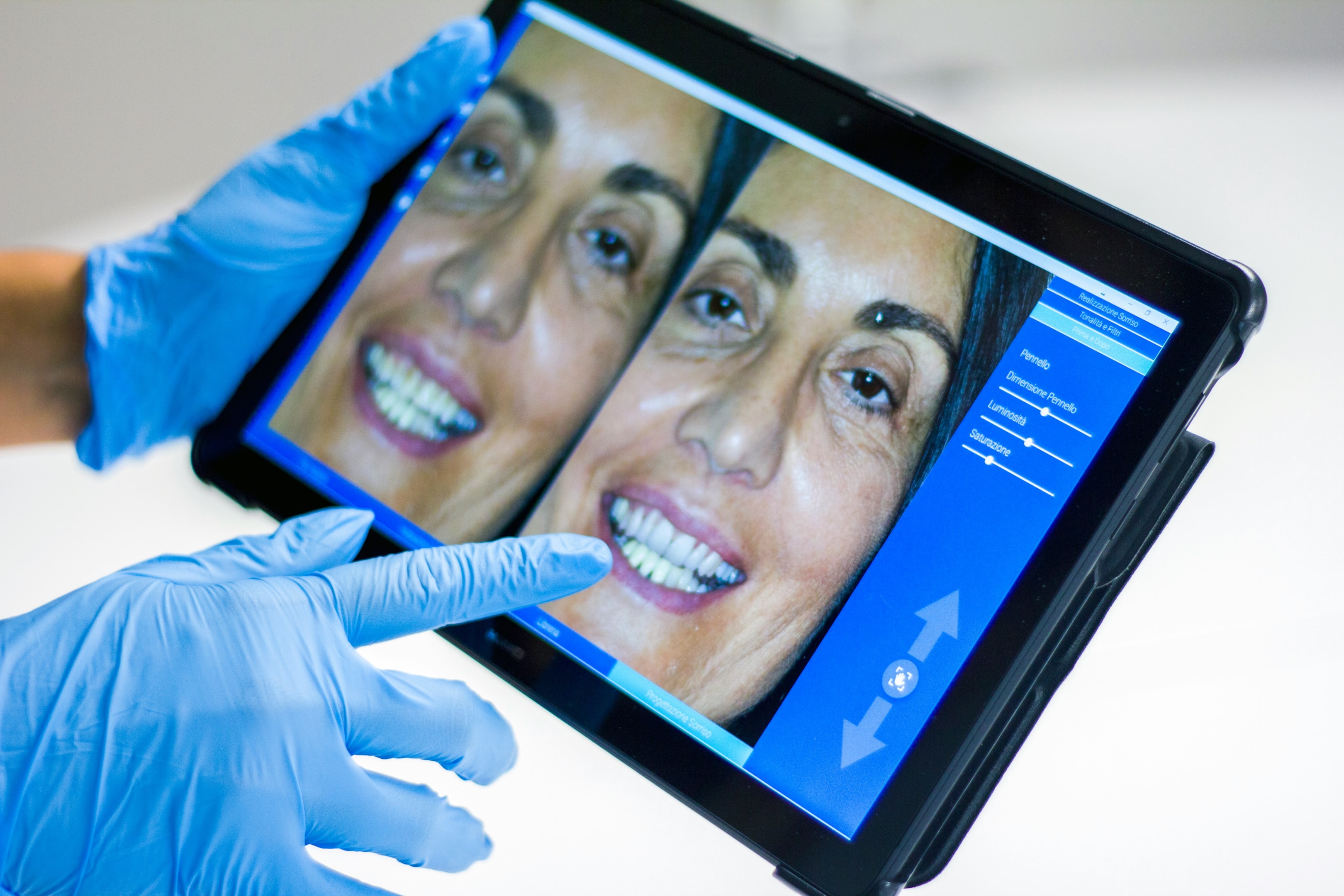
Most cosmetic dentists will use Digital Smile Design technology to help plan and visualise your smile makeover. Temporary dental veneers play a crucial role during the preparation phase, allowing patients to adjust to the new look and provide feedback on fit and color before the permanent veneers are placed. This technology also enables patients to visualise and trial the smile before treatment begins. Feedback and changes can be made according to your individual desires.
Veneer preparation and insertion
Once you are happy with your new smile, treatment will begin by preparing the teeth for veneers. Once your veneers are completed, you will see the final smile for yourself. It shouldn’t be much different from the trial smile done previously.
Ongoing maintenance
Brushing twice daily, and flossing once daily will help to prevent plaque accumulation around your dental veneers. It will also help to reduce unsightly staining, which is particularly important if you have composite veneers.
Maintaining your new porcelain veneers
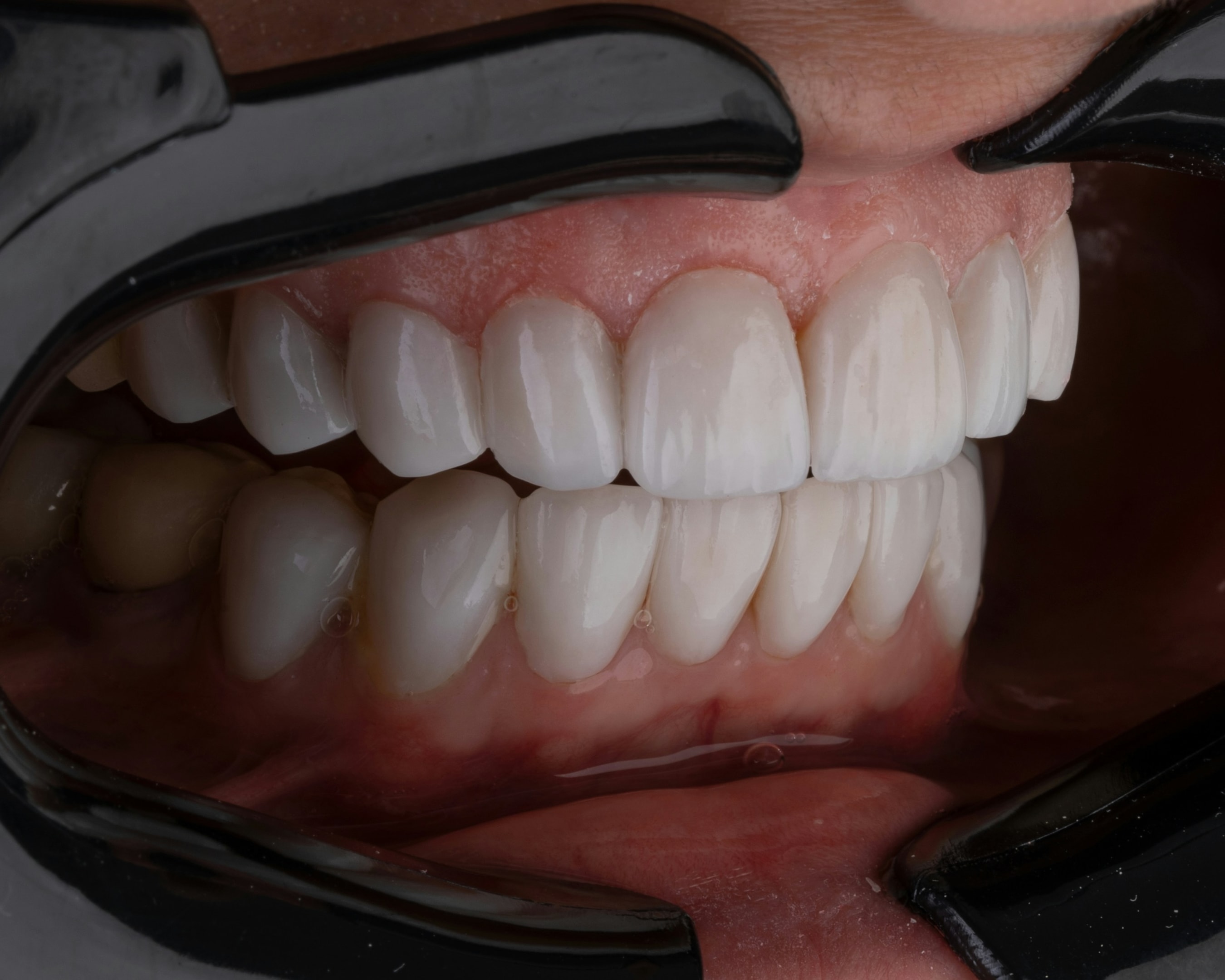
Avoiding Staining Foods and Drinks
Avoiding foods and drinks like coffee, red wine, and soft drinks can help maintain your dental veneers. Rinsing your mouth with water after consuming these items can help mitigate their impact on your teeth.
Good Oral Hygiene Practices
Maintaining your dental veneers requires good oral hygiene practices. Regular brushing and flossing prevent the accumulation of plaque and extrinsic stains on your teeth. Consistent oral care ensures the longevity of your dental veneers, and contributes to overall dental health.
Regular dental check ups and teeth cleaning
To help lengthen the lifespan of your dental veneers, we recommend to see your dental professional every 6 monthly for a dental checkup and teeth cleaning. Proper care will ensure your dental veneers last a long time, and also prevent small problems from worsening.
Night guards for teeth grinding
If you grind or clench your teeth, you may need a night guard to prevent damage or breakage or your veneers. Your dentist can speak to you about this.
Risks of porcelain veneers
While dental veneers are generally a safe and effective cosmetic dental treatment, there are some potential risks to be aware of, including:
- Tooth sensitivity: Some individuals may experience tooth sensitivity after getting dental veneers, although this is typically temporary. Using toothpaste for sensitive teeth can help alleviate this issue.
- Damage to the veneer: Veneers can be damaged if they are subjected to excessive force or pressure, such as biting or grinding. It’s important to avoid habits like chewing on ice or hard objects.
- Gum recession: If the gums recede, the veneer may become exposed, which can affect its appearance. Regular dental check-ups can help monitor and manage gum health.
- Infection: As with any dental procedure, there is a risk of infection with dental veneers, although this is rare. Maintaining good oral hygiene and following your dentist’s care instructions can minimise this risk.
Alternatives to Veneers
While dental veneers are a popular cosmetic solution, they may not be the best option for everyone. Some alternatives to veneers include:
- Teeth whitening: A cosmetic option that can brighten the smile and improve its overall appearance.
- Bonding: A procedure that uses a tooth-colored resin to repair damaged teeth.
- Crowns: A more extensive restoration that covers the entire tooth, providing additional strength and protection.
- Orthodontic treatment: A solution for more extensive misalignments, which can improve the overall appearance and function of the teeth.
These alternatives offer various benefits and can be tailored to meet individual needs, ensuring that everyone can achieve their desired dental aesthetics.
Teeth whitening as a cosmetic option
Teeth whitening is a popular cosmetic option that can brighten the smile and improve its overall appearance. This non-invasive procedure uses a bleaching agent to remove stains and discoloration from the teeth. Teeth whitening can be performed in-office or at home and can be used in conjunction with dental veneers to achieve optimal results. However, teeth whitening may not be suitable for everyone, particularly those with sensitive teeth or gums. A consultation with a cosmetic dentist can help determine the best course of treatment for achieving a brighter, more radiant smile.
Frequently asked questions
Here are some frequently asked questions about dental veneers:
Q: What is the difference between porcelain and composite veneers? A: Porcelain veneers are made from a thin layer of porcelain and are highly durable, while composite veneers are made from a tooth-coloured resin and are less expensive. Porcelain veneers offer a more natural appearance and are more resistant to staining.
Q: How long do porcelain veneers last? A: Porcelain veneers can last for 10-15 years or more with proper care. The longevity of veneers depends on factors such as oral hygiene and lifestyle habits.
Q: Are porcelain veneers painful to get? A: The process of getting porcelain veneers is relatively painless, although some individuals may experience minor discomfort during the procedure. Local anaesthesia is often used to ensure comfort during the preparation of the teeth.
Q: Can porcelain veneers be removed? A: While porcelain veneers are designed to be permanent, they can be removed if necessary. However, this may damage the underlying tooth structure, so it’s important to discuss all options with your dentist before proceeding.
Q: How much do porcelain veneers cost? A: The cost of porcelain veneers varies depending on the number of teeth being treated, and the dentist’s expertise. Porcelain veneers tend to be more expensive than composite veneers, but they offer greater durability and a more natural appearance.
By understanding the benefits, common issues corrected, risks, and frequently asked questions about dental veneers, you can make an informed decision about whether this cosmetic dental treatment is right for you. If you have further questions or would like tailored recommendations, speak to our friendly Claremont dental team on 6143 5655 or book a consultation online here.