Why you should consider composite bondings for your smile
What are composite bondings?
Composite bondings (also known as composite veneers), are custom-designed dental veneers which are placed directly on your natural teeth. This form of tooth bonding has been a popular amongst the cosmetic dental procedure at our Claremont dental clinic as they can be completed on the same day, and are the most budget-friendly option. A composite bonding treatment utilises composite material placed on the entire tooth. The natural teeth are covered with composite resin with minimal tooth preparation to address cosmetic concerns.
Problems that composite bonding can correct
- Gaps between teeth
- Misshapen teeth such as peg laterals of discrepancies in tooth size
- Discoloured teeth, stained teeth or broken teeth
- Short, worn down or chipped or cracked teeth
- Misaligned teeth or crooked teeth
The process of getting composite bondings
- An in-depth consultation with our Claremont dentists will help us to understand your concerns related to your smile and the smile you would like to achieve
- A digital scan of your teeth will help our Claremont dentists to better understand your smile and what will be required to create a natural and beautiful smile that is in harmony with your facial features
- A digital smile design will be prepared and you will come in for a subsequent appointment so you can see this and trial your new smile. We welcome any feedback or suggestions so that changes can be made to your bespoke smile
- At the next appointment, your composite bondings will be applied to your teeth. This is usually completed in appointment. Your digital smile design will be used during this process so your smile will be the same as the one you trialled in your previous appointment. Tooth coloured composite resin will be used in a shade that has been discussed with you. Our Claremont dentists will at all times try to retain as much of your own natural tooth structure as possible so that minimal preparation to the tooth’s surface will be required. The dental bonding procedure is usually relatively comfortable for most patients to have done without local anaesthetic.
- Your dental bonding is done with composite resin material, so you may require ongoing maintenance such as polishing to keep the surface looking smooth and shiny. The nature of the bonding material means that it will be prone to staining over time, so you may need to have your teeth bonding replaced every 5 years or so. This will vary with individuals depending on your diet and how you look after your composite dental bonding. We recommend you maintain good oral hygiene and take proper care of your composite bonding. Avoid biting into hard and sticky foods or other objects such as pencils or fishing line. As with any other cosmetic dental procedures, we also suggest you see your dental professional for regular teeth cleanings and dental checkups to maintain your oral health.
The benefits of composite bonding
- no down-time as the tooth coloured resin is applied onto the teeth in one dental appointment
- individual customisation of your teeth with your chosen shade of coloured composite resin material
- no need to have temporary veneers or wait in between appointments for work to be sent to a dental laboratory
- create a confident smile to your individualised design with a minimally invasive technique
Reasons to consider other options instead of dental bonding
Because it is a minimally invasive procedure, most people are able to have composite bonding applied to their teeth to correct dental imperfections such as issues with tooth shape, gaps between teeth, crooked teeth or discolouration. However, there will be some people who may want to consider other cosmetic dentistry options. This decision will depend on an individuals’ dental issues, which will vary on a case-by-case basis. If you are looking for dental veneer option that doesn’t require ongoing maintenance, and has an extremely natural appearance, you may want to look into porcelain veneers. You can read more about porcelain veneers here. The experienced dentists at our Claremont dental centre offer composite bonding and porcelain veneers, and will explain both options in detail so you can make the best choice for yourself.
Other cosmetic dental treatments that can be done with dental bonding procedures
If your teeth are particularly crooked or misaligned, you may want to consider straightening your teeth with clear aligners such as Invisalign clear aligners. The reason for this is that if your teeth are in ideal positions, it means the bonding process can be done in a minimally invasive manner. This means little to no preparation to the tooth’s surface would be required, which is better in the long term to maintain healthy teeth because your natural tooth is left untouched.
How much is composite bonding in Australia?
Composite bonding at our Perth dental clinic generally costs $315 per tooth. This is the entire fee for the whole dental bonding. It does not include the fee for digital smile design, which may be extra. The price for a porcelain dental veneer is $1312. The cost is higher due to the need to send the veneer to be made at an independent dental laboratory. These costs includ any private health fund rebates that you may be entitled to. We recommend you check with your health fund once you have received a treatment plan from your cosmetic dentist to see what your rebates are.
How much is a full set of composite bonding in Perth?
The cost for a full set of bonded teeth will depend on how many teeth require tooth bonding. We recommend discussing your concerns about the appearance of your teeth when discussing how many surrounding teeth should be included in your cosmetic dental treatment plan. It is common for a lot of people to consider composite bonding on at least 4-6 teeth. Many people may choose to treat just their upper or lower teeth, or both.
Can I get dental bonding if I have decayed teeth, a cracked tooth or chipped teeth?
Decayed teeth can still have composite bonding, but you will need to have your cavities filled first. Your cosmetic dentist will need to assess how large the cavities are and how much tooth surface is remaining. If there is too little natural tooth structure left, you may need to restore decayed teeth with different options such as a crown. The same goes for cracked teeth, as the suitability for composite bonding will depend on whether there is sufficient tooth structure to adequately place the composite resin material.
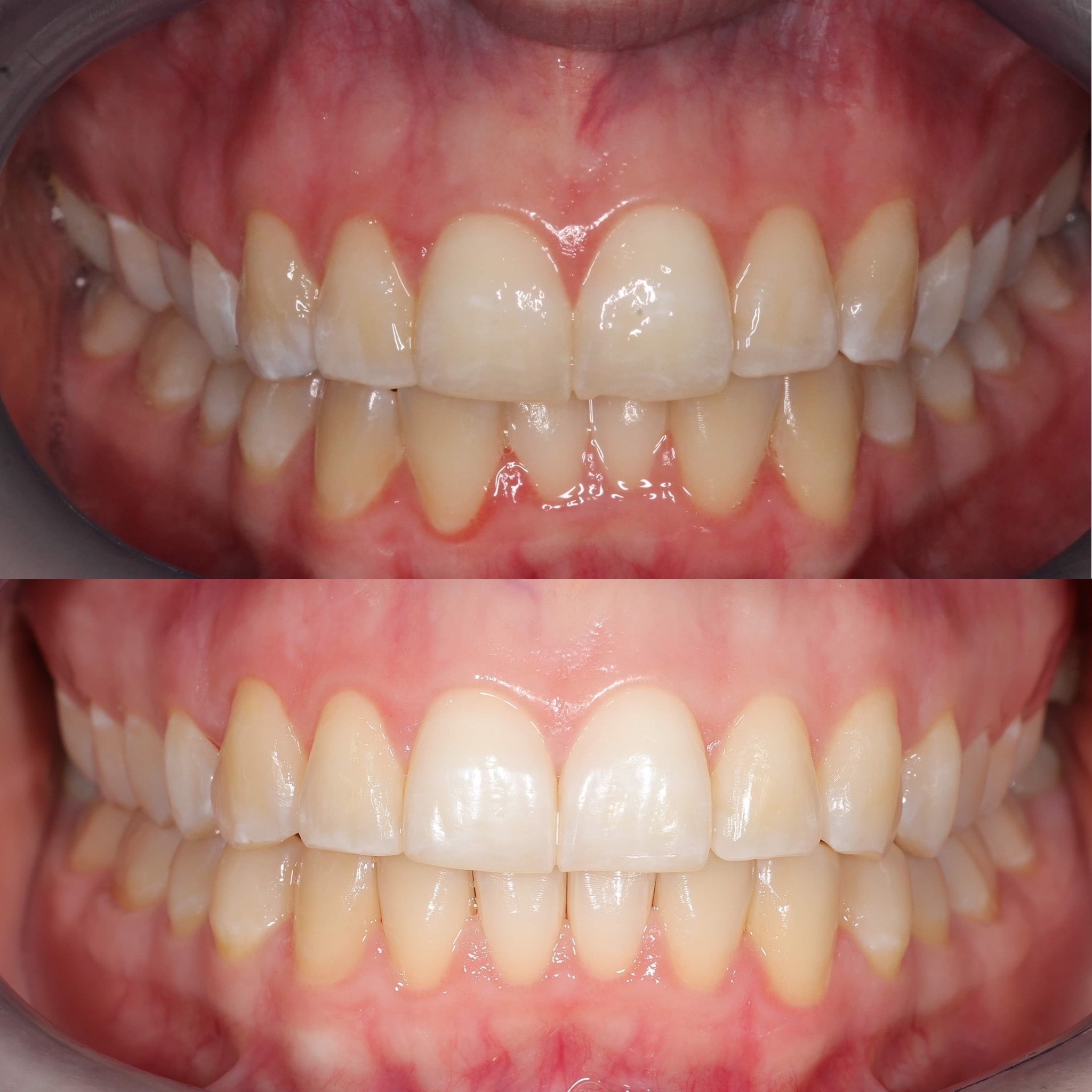
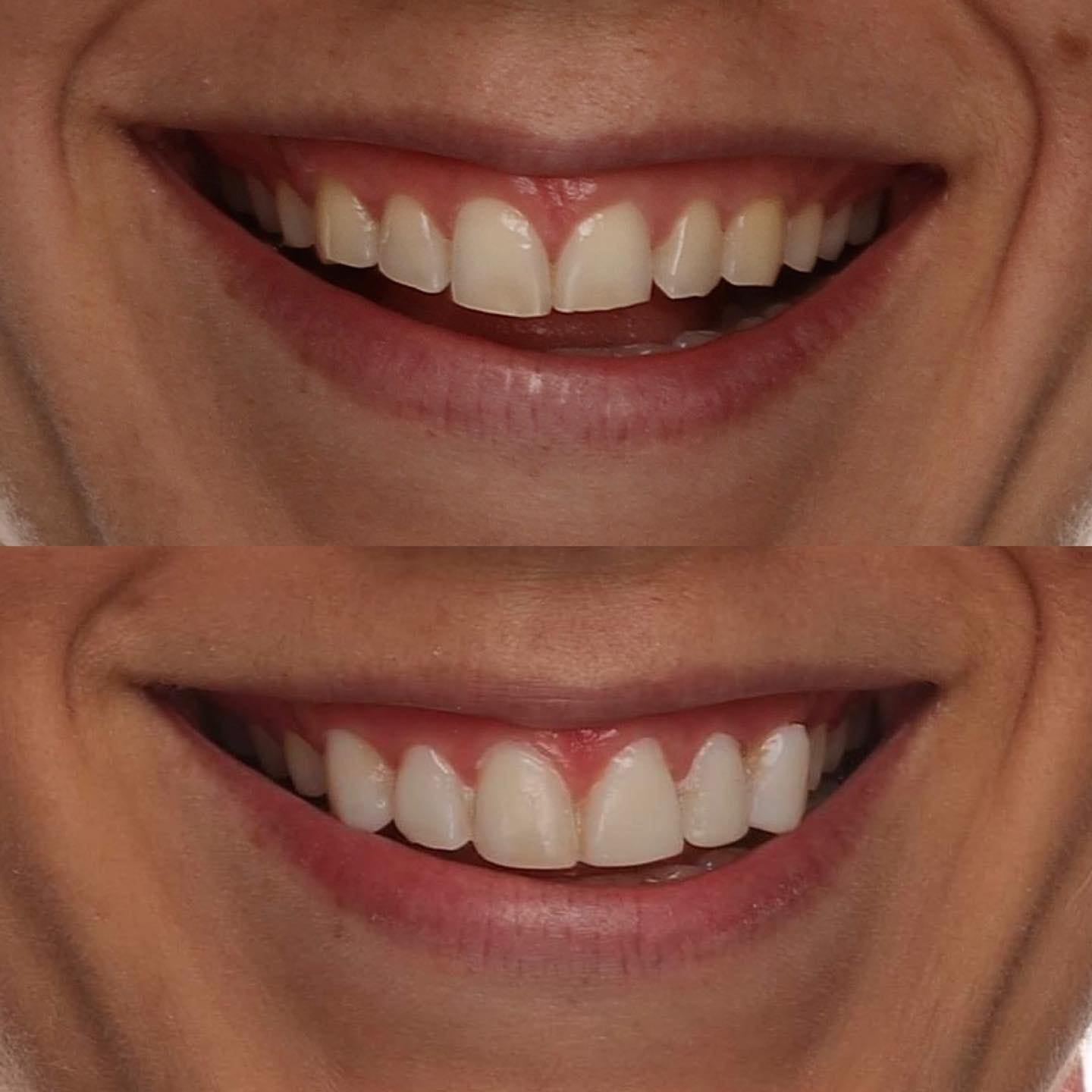
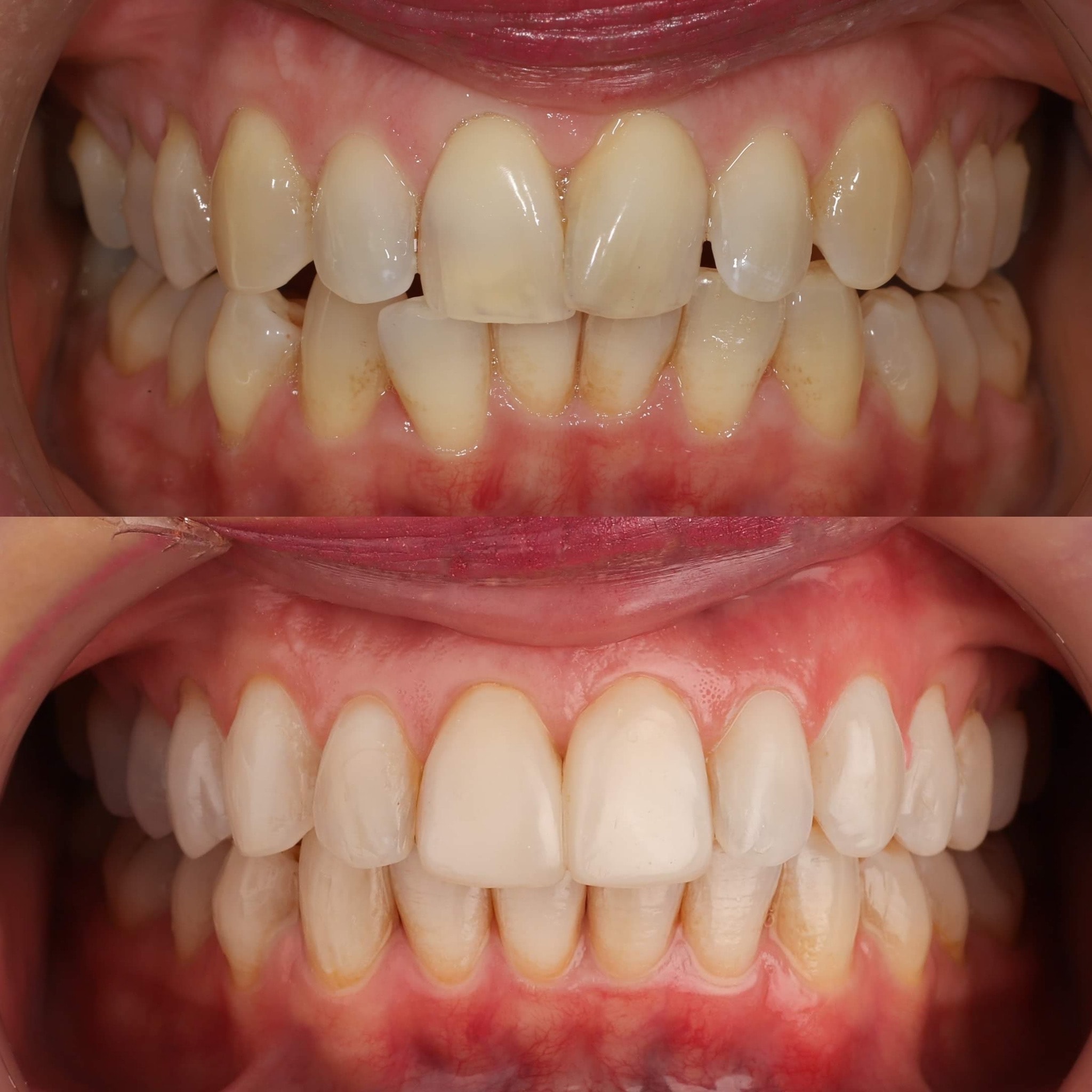
Some examples of composite resin bonding done at our Claremont cosmetic dental centre
Want to find out more about composite bonding?
The experienced cosmetic dentists at our Claremont dental centre can talk to you about composite bonding and what options would be best for your dental concerns. You can book an obligation-free consultation at a convenient time using our online booking portal here. Or simply speak to our Claremont dental team by calling us on 6143 5655 today.